
The Art of Deglazing a Pan for Quick, Flavorful Pan Sauces
A beautifully browned piece of meat leaves behind more than a clean plate. Its fond—those caramelized bits clinging to the bottom of the skillet—holds concentrated savory flavor. With a splash of liquid, a wooden spoon, and a few minutes of gentle heat, those browned fragments become the foundation of a polished pan sauce.
Deglazing is one of the most useful restaurant techniques for a home kitchen because it turns cooking juices into something spoonable and memorable. The method works with chicken, pork, steak, fish, mushrooms, roasted vegetables, and even a simple weeknight grain bowl. It also helps you make a sauce without reaching for a jar or a long list of ingredients.
The process is quick, but good results depend on timing, heat control, and balance. You want to dissolve the fond without scorching it, reduce the liquid until its flavor is concentrated, and finish with enough richness or brightness to make the sauce feel complete.
Why The Fond Matters
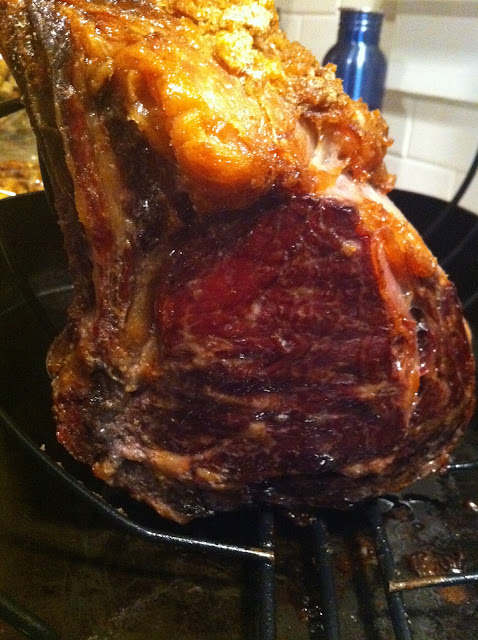
Fond is the browned residue left in a skillet after searing or sautéing. It forms when proteins and natural sugars develop deep color through contact with high heat. These browned particles are intensely flavorful, so they are worth preserving rather than washing down the drain.
There is an important difference between brown fond and blackened residue. Deep golden or mahogany bits are desirable; charred, bitter patches usually indicate that the pan became too hot or the cooking fat burned. If the pan smells acrid, wipe it out and begin the sauce in a clean skillet rather than trying to rescue unpleasant flavors.
A stainless-steel, carbon-steel, or cast-iron pan is especially useful for pan sauces because its surface allows fond to develop. Nonstick cookware can still produce a sauce, though it generally creates fewer browned bits. Whichever pan you use, remove the cooked food before adding liquid so it can rest while the sauce develops.
Prepare The Pan Before You Pour
Once the meat or vegetables come out of the skillet, check the amount of fat left behind. A thin film is helpful, but several tablespoons of grease can make the finished sauce heavy. Carefully spoon off excess fat, leaving behind the browned bits and enough coating to sauté aromatics.
This is the moment to add minced shallot, onion, garlic, fresh herbs, or a pinch of crushed red pepper. Lower the heat slightly and cook these additions until fragrant, usually 30 seconds to two minutes. Garlic needs particular attention because it can turn bitter quickly in a very hot pan.
Have your deglazing liquid measured before it goes into the skillet. Wine, stock, beer, cider, vermouth, vinegar diluted with water, or even tomato juice can work, depending on the dish. Adding cold liquid to a smoking-hot pan may cause aggressive splattering, so step back and pour carefully along the side of the pan.
Choose A Liquid That Supports The Main Ingredient
The liquid determines the character of the sauce, but it does not need to match the ingredient in a rigid way. Dry white wine brings acidity to chicken, pork, seafood, and spring vegetables. Red wine suits beef, lamb, mushrooms, and hearty winter preparations. Apple cider or hard cider gives pork and roasted squash a gentle sweetness.
Stock creates a savory, versatile base, while beer adds malt and a slightly bitter edge. Vermouth is especially convenient because it keeps longer than an opened bottle of wine and brings herbal depth. A small amount of sherry vinegar, balsamic vinegar, or lemon juice can sharpen an otherwise rich sauce, though strong acidic liquids should be used in moderation.
Use a liquid you would enjoy drinking or tasting on its own. The alcohol will reduce, but poor-quality wine or overly sweet beverages can still leave an unpleasant flavor behind. The chart below offers practical starting points rather than strict rules.
| Main ingredient | Deglazing liquid | Flavor additions | Best finishing touch |
|---|---|---|---|
| Chicken | Dry white wine or stock | Shallot, thyme, garlic | Butter and lemon |
| Pork | Apple cider or white wine | Sage, mustard, onion | Butter or cream |
| Beef | Red wine or dark beer | Rosemary, shallot, pepper | Stock reduction |
| Fish | White wine or vermouth | Fennel, parsley, capers | Olive oil or cold butter |
| Mushrooms | Sherry, stock, or beer | Thyme, garlic, shallot | Cream or crème fraîche |
| Root vegetables | Cider, vegetable stock, or wine | Sage, chili, toasted seeds | Butter or nut oil |
Deglaze In Three Controlled Moves
First, pour the liquid into the hot pan and immediately scrape the bottom with a wooden spoon, flat-edged spatula, or pan-safe utensil. Work across the entire surface, loosening the fond while the liquid bubbles. The steam will lift the browned bits, and the sauce will gradually take on a darker color.
Second, let the liquid reduce. This is where a thin, sharp splash becomes a concentrated sauce. The right amount of reduction depends on the recipe, but a useful rule is to reduce the liquid by about half, or until it lightly coats the pan and no longer smells strongly of raw alcohol.
Third, taste before finishing. Reduction intensifies salt, sweetness, and acidity, so seasoning too early can lead to an overly salty sauce. If the sauce tastes flat, a small squeeze of lemon or a few drops of vinegar may help. If it tastes harsh, a little stock, water, or unsalted butter can soften the edges.
Keep the heat at a lively simmer rather than a violent boil. Rapid boiling can evaporate the liquid before the fond has dissolved and may make a butter-based sauce separate later. Gentle control gives you time to adjust the consistency and flavor.
Build Body With Butter, Cream, Or Stock
A reduced liquid can be served as it is, but a finishing ingredient gives the sauce body and shine. Cold butter is the classic choice. Cut it into small pieces and whisk it into the pan one piece at a time over low heat or off the burner. The butter emulsifies with the reduced liquid, creating a smooth, glossy texture.
For a richer preparation, add a spoonful of cream, crème fraîche, or mascarpone after reducing the wine or stock. Cream-based sauces are forgiving, though they still benefit from acidity. A little mustard, lemon juice, or cider vinegar keeps the sauce from feeling heavy.
You can also mount the sauce with olive oil, especially for fish, vegetables, or dairy-free meals. Stir in chopped parsley, chives, tarragon, basil, or cilantro at the very end so the herbs retain their freshness. Capers, olives, toasted nuts, and finely grated citrus zest can add contrast without requiring a complicated recipe.
If the sauce seems too thin, continue reducing before adding fat. If it becomes too thick, loosen it with a tablespoon of stock or water. Cornstarch slurry is rarely necessary for a pan sauce; proper reduction and emulsification usually provide a more natural texture.
Small Habits That Make Sauces Better
A great pan sauce depends as much on restraint as on technique. Salting the meat before searing helps season the food itself, while waiting to salt the sauce prevents the reduced liquid from becoming overpowering. Taste at several stages, particularly after the liquid has reduced and again after the finishing fat has been added.
Use these habits to make the process reliable:
- Dry meat and vegetables thoroughly before they enter the skillet so they sear instead of steaming.
- Avoid crowding the pan, since excess moisture prevents strong browning and flavorful fond.
- Remove burnt bits before deglazing, but keep the golden-brown residue.
- Measure acidic ingredients carefully and add more only after tasting.
- Finish delicate herbs, citrus zest, and fresh pepper off the heat.
Pan sauces are also an excellent way to connect a main course with the rest of the meal. A cider sauce can echo roasted apples or squash, while a lemon-caper sauce can bridge seared fish and crisp greens. For ideas that extend beyond the skillet, browse the recipe index for dishes that pair naturally with quick sauces and seasonal ingredients.
Match The Sauce To The Plate
A pan sauce should support the food rather than bury it. A delicate white fish may need only a few tablespoons of reduced wine with parsley and butter. A thick steak can stand up to a darker wine reduction, roasted garlic, or a spoonful of whole-grain mustard. Sautéed mushrooms welcome earthy herbs and a splash of sherry.
Think about texture as well as flavor. A silky sauce works beautifully with mashed potatoes, rice, noodles, or creamy polenta because those foods carry the liquid to every bite. Crisp vegetables and roasted potatoes benefit from a thinner, brighter sauce that adds moisture without making them limp.
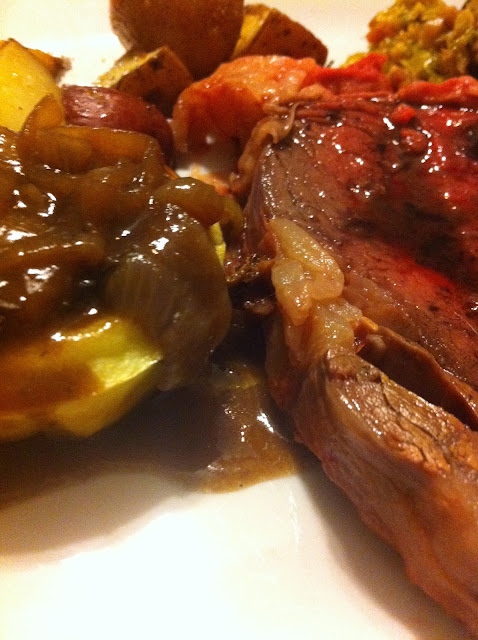
Serve the sauce immediately while it is warm and fluid. Spoon it around or beneath the food rather than flooding the top, especially when the dish has a crisp crust. A final scattering of herbs or a few flakes of finishing salt can make the plate look as considered as it tastes. Seasonal side dishes and sauces can help shape the whole meal; explore sides and sauces for combinations that make a simple pan-seared entrée feel complete.
Make Deglazing Part Of Your Cooking Rhythm
The easiest way to learn this technique is to practice with familiar ingredients. Cook chicken cutlets, pork chops, mushrooms, or sausages, then use the same skillet to make a small sauce. Start with stock if wine feels intimidating, and add acidity in measured amounts. Repetition teaches you how quickly different pans reduce and how much liquid your meal needs.
Keep a few dependable ingredients within reach: unsalted stock, dry wine or vermouth, Dijon mustard, lemons, vinegar, butter, fresh herbs, and shallots. These pantry and refrigerator staples can transform leftover fond into a fresh sauce in minutes. When your ingredients are ready before cooking begins, the final step feels effortless rather than rushed.
A deglazed pan can turn an ordinary supper into a dish with depth, balance, and a sense of occasion. The next time browned bits gather beneath your dinner, save them, add a thoughtful splash of liquid, and scrape the skillet clean. Put the technique to work tonight with your favorite protein or vegetables, then serve the sauce while it is warm, glossy, and full of the flavor you built from the pan.