The Perfect Prime Rib with a Horseradish and Herb Crust
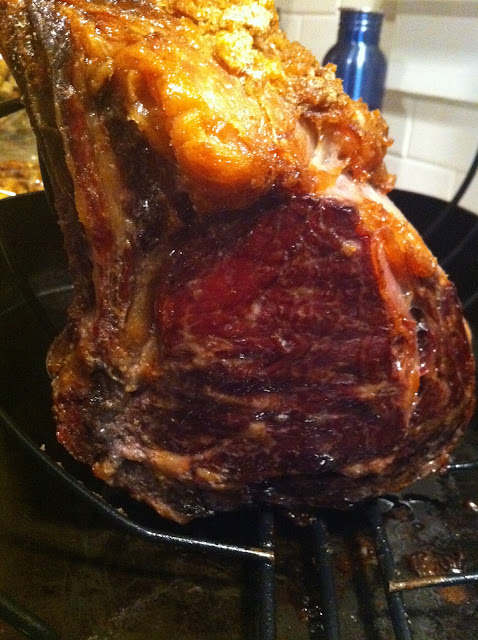
A standing rib roast has a way of making an ordinary dinner feel like an occasion. Its appeal is simple: a tender center, a deeply browned exterior, and enough savory richness to carry a full table of side dishes. The best version, however, depends less on complicated tricks than on choosing the right roast and managing heat with care.
A horseradish and herb crust gives prime rib a particularly satisfying finish. Prepared horseradish adds brightness and gentle heat, while rosemary, thyme, garlic, and cracked pepper form a fragrant layer around the beef. The crust should taste bold without overwhelming the natural flavor of the roast.
This method draws on restaurant habits that translate beautifully to a home kitchen: season early, use a thermometer instead of guesswork, and allow the meat to rest before carving. Once those details are in place, a holiday roast or Sunday dinner becomes remarkably calm to prepare.
Choosing the Right Roast
Look for a bone-in rib roast with generous marbling throughout the meat. The fat running between the muscle fibers melts during roasting and keeps the beef succulent. A layer of exterior fat is useful as well, though an excessively thick cap can be trimmed to about one-quarter inch.
A bone-in roast is often called a standing rib roast because the bones can support the meat while it cooks. They also contribute flavor and help insulate the underside. Ask the butcher to separate the bones from the roast and tie them back in place if you want easier carving without losing their benefits.
Plan on approximately one rib bone for every two people, allowing extra for generous portions or leftovers. A three-bone roast generally serves six to eight, depending on the rest of the meal. For the most even cooking, bring the beef out of the refrigerator one to two hours before roasting. It should lose its chill, but it does not need to reach room temperature completely.
Building the Horseradish Herb Crust
The crust begins with prepared horseradish, preferably the refrigerated kind with a clean, sharp flavor. Drain off excess liquid so the coating clings to the beef rather than sliding into the roasting pan. Combine it with Dijon mustard, minced garlic, chopped rosemary, fresh thyme, kosher salt, and coarsely ground black pepper.
A small amount of olive oil helps turn the mixture into a spreadable paste. Some cooks add breadcrumbs for a more defined crust, but they are optional. Without breadcrumbs, the coating becomes a concentrated savory layer that browns and perfumes the fat cap. With them, the surface takes on a slightly crisp, almost gratin-like texture.
For a roast weighing six to seven pounds, use approximately:
- ⅓ cup prepared horseradish
- 2 tablespoons Dijon mustard
- 4 garlic cloves, finely minced
- 1 tablespoon chopped fresh rosemary
- 1 tablespoon fresh thyme leaves
- 1½ teaspoons kosher salt
- 2 teaspoons cracked black pepper
- 1 tablespoon olive oil
Season the entire roast with salt several hours ahead, or ideally the night before. Keep it uncovered on a rack in the refrigerator. This dry-brining step seasons the interior and dries the surface, which encourages more thorough browning. Apply the horseradish mixture just before the roast goes into the oven.
Controlling Heat for a Tender Center
The reverse-sear method is especially dependable for prime rib. The roast begins in a low oven, usually 250°F, allowing the center to cook gradually while the exterior dries and develops flavor. Once the desired internal temperature is nearly reached, the beef rests briefly, then returns to a very hot oven to brown the crust.
Insert a leave-in thermometer into the thickest part of the roast, avoiding the bones. For medium-rare beef, remove the roast at 118°F to 122°F during the first stage. Carryover cooking will raise the temperature as it rests. A final blast at 500°F creates the deep, aromatic crust without forcing the interior far beyond the target.
The timing will vary with the roast’s shape, starting temperature, and oven. A six-pound bone-in roast may need roughly three to four hours at 250°F, but temperature is the reliable guide. Begin checking early rather than trusting the clock. If the crust darkens too quickly during the high-heat finish, loosely tent the top with foil.
| Desired doneness | Remove from low oven | Approximate final temperature |
|---|---|---|
| Rare | 112°F–115°F | 120°F–125°F |
| Medium-rare | 118°F–122°F | 128°F–135°F |
| Medium | 125°F–128°F | 138°F–145°F |
Before roasting, place the beef bone-side down in a sturdy pan fitted with a rack. No added water is necessary; steam can soften the crust. If you want drippings for a sauce, add a few roughly chopped onions or shallots beneath the rack, where they can catch the flavorful juices without making the roast sit in liquid.
Resting, Carving, and Serving
When the roast reaches its first temperature, move it to a cutting board and loosely cover it with foil. Rest for 30 to 45 minutes. This pause gives the juices time to redistribute and creates a useful window for finishing potatoes, warming vegetables, or making a pan sauce.
After resting, heat the oven to 500°F, or as high as your roasting pan safely allows. Return the roast for approximately six to ten minutes, watching closely. The goal is a browned horseradish crust, not a second full cooking cycle. Let the roast stand for five to ten minutes after this final sear.
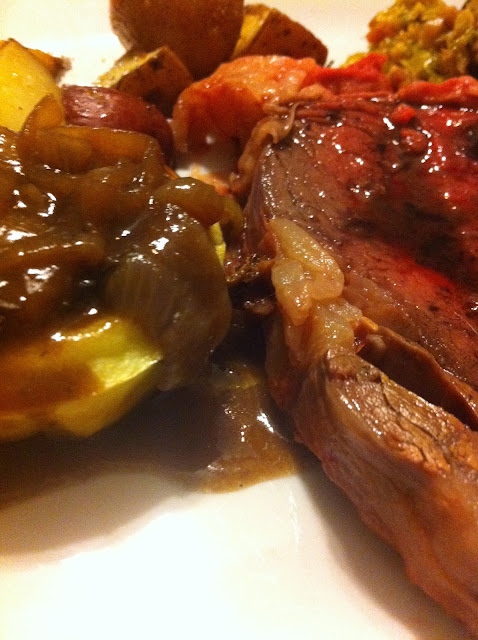
Remove the strings and lift away the bones in one piece. Slice the meat across the grain with a long, sharp carving knife. Thin slices expose more crust and work well for a first serving; thicker cuts feel especially generous for a celebratory meal. Spoon a little of the pan juice over each portion, but do not drown the crust.
A creamy horseradish sauce is a natural accompaniment. Stir prepared horseradish into sour cream with lemon juice, chives, salt, and a little black pepper. Keep it cool and bright so it balances the warm, rich beef. For another option, deglaze the roasting pan with red wine, add beef stock, and reduce until lightly thickened.
Side Dishes That Balance the Roast
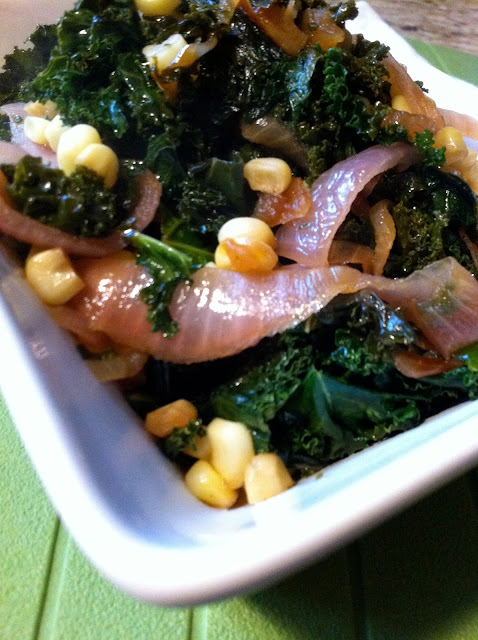
Prime rib needs companions with contrast. Crisp greens, acidic dressings, roasted vegetables, and potatoes provide different textures and keep the menu from becoming too heavy. A bitter salad with citrus or a sharp vinaigrette is especially welcome beside the creamy fat and savory crust.
For ideas beyond the roast itself, browse these side dishes and sauces for combinations that can be prepared ahead. Creamed spinach, roasted carrots, green beans with toasted almonds, and a classic Yorkshire pudding all fit the spirit of a traditional beef dinner, while a shaved fennel salad gives the plate a fresher direction.
Potatoes are an obvious partner, but preparation matters. Crisp roasted potatoes echo the browned exterior of the beef, whereas a smooth potato purée absorbs pan juices beautifully. If the roast is the centerpiece of a winter gathering, a light first course such as a leek soup or a modest salad prevents guests from filling up too early. Fresh rolls or homemade breads are useful for catching every last bit of sauce.
Wine should have enough structure to meet the richness of the meat. Cabernet Sauvignon, Syrah, Malbec, and full-bodied Rhône blends are strong choices. A mature red with softened tannins is often more pleasant than a young, aggressively powerful bottle. For a nonalcoholic pairing, tart cherry juice lengthened with sparkling water and a squeeze of lemon provides acidity and color; more ideas for seasonal refreshments can round out the table.
Timing the Meal Without Stress
The roast can be salted the day before, and the horseradish mixture can be made several hours in advance. Set out serving platters, carving tools, and sauce ingredients before the beef enters the oven. These small preparations keep the final stages from becoming crowded.
Use the low-temperature cooking period to finish vegetables and assemble salads, then pause for the first rest. The second, brief rest after searing is enough time to transfer the roast to a platter and bring the accompaniments to the table. Since the center remains warm during the extended rest, there is no need to rush the carving.
Leftover prime rib deserves careful treatment. Slice it thinly for sandwiches with horseradish cream, warm it gently in jus for a second dinner, or fold small pieces into eggs after the meat has been removed from the heat. Avoid reheating thick slices aggressively, since high heat can take beautifully rosy beef into dryness within minutes.
Details That Make the Difference
- Salt the roast in advance so the seasoning reaches beyond the surface.
- Use a probe thermometer and judge doneness by internal temperature, not cooking time.
- Keep the horseradish crust fairly thick over the fat cap, where it can brown without drying the lean meat.
- Rest the roast twice: once before the high-heat sear and again briefly before carving.
- Slice across the grain and serve with something acidic, crisp, or fresh alongside the rich beef.
A memorable prime rib is built through patience rather than complication. Choose well-marbled meat, season it thoughtfully, roast it gently, and give it time to rest. The horseradish and herb crust will bring fragrance and contrast, while a careful thermometer reading preserves the tender, rosy center that makes this cut so special.
Make this roast the centerpiece of your next gathering, then share the finished meal with generous sides, a bright sauce, and a bottle chosen for the table. Save the recipe, gather the ingredients, and let a slow afternoon in the kitchen lead to a dinner worth lingering over.