

The science of gluten development in bread dough
Bread dough looks simple: flour, water, yeast and salt become a loaf through warmth, time and skill. The transformation depends on an elastic protein network that traps gas, stretches under pressure and sets in the oven. Understanding how that network forms makes bread baking less mysterious and gives you more control over texture, volume and flavour.
Gluten is often discussed as though it is a single ingredient, but it is really the result of interactions between flour proteins, water, movement, acidity, salt and fermentation. The same principles apply whether you are making a crusty sourdough in Melbourne, soft sandwich bread for a Brisbane lunchbox or a rustic loaf to serve with a country-style supper in New South Wales.
How flour becomes an elastic network
Wheat flour contains two important protein groups: glutenin and gliadin. When flour is dry, these proteins are separate particles. Once water is added, they begin to hydrate and connect. Glutenin contributes strength and spring, while gliadin gives the dough extensibility, allowing it to stretch rather than tear immediately.
The network develops through contact and movement. Mixing brings hydrated proteins together, and folding gradually aligns them into a stronger structure. A well-developed dough can expand around carbon dioxide produced by yeast without collapsing. It may feel smooth, supple and slightly tacky, with enough resistance to spring back slowly when pressed.
Flour type makes a substantial difference. Strong bread flour generally contains more protein than plain flour, so it can absorb more water and support a taller loaf. Wholemeal flour contains the bran and germ, which add flavour and nutrients but can cut through delicate gluten strands. Rye flour behaves differently again because it contributes little gluten-forming protein and relies more heavily on starches and gums for structure.
Water, hydration and dough texture
Water activates the flour proteins, softens starches and determines how freely the dough can move. A low-hydration dough feels firm and is easier to shape into rolls or sandwich loaves. A high-hydration dough is sticky and fluid, yet it can produce an open, glossy crumb when its gluten structure is handled patiently.
Hydration is calculated as the weight of water compared with the weight of flour. A dough made with 700 grams of water and 1,000 grams of flour has 70 per cent hydration. This percentage is more useful than a cup measurement because Australian flour brands vary in absorption, and humidity can change how a dough feels from one day to the next.
Autolyse is a useful technique for developing strength without aggressive kneading. Mix the flour and most of the water until no dry patches remain, then rest the mixture for 20 to 60 minutes before adding yeast and salt. During that pause, the flour hydrates and enzymes begin modifying the dough. The result is often smoother, more extensible dough with less mixing.
Water temperature controls the pace of fermentation as well as texture. In a hot Darwin kitchen, cool water can prevent the dough from racing ahead. In a cool Hobart winter, slightly warmer water may help the yeast become active. Aim for a finished dough temperature that supports steady fermentation rather than relying on a fixed water temperature in every season.
The roles of kneading, folding and salt
Kneading applies mechanical energy. As the dough is stretched, folded and compressed, protein strands align and form bonds. A stand mixer can do this efficiently, but hand kneading gives valuable sensory information. The dough may begin shaggy and sticky, then become cohesive, elastic and easier to lift from the bench.
More mixing is not automatically better. Excessive mechanical action can overheat the dough and damage its developing structure, especially in a powerful mixer. A moderately mixed dough can continue strengthening during bulk fermentation through periodic folds. Stretch one side upward without tearing it, fold it over the centre, then rotate the bowl and repeat.
Salt tightens the gluten network and improves dough strength. It also controls yeast activity, which helps prevent fermentation from becoming too rapid. Without enough salt, bread can taste flat and feel slack. Salt should be distributed evenly, although it is sensible to avoid placing a large amount directly on fresh yeast before mixing.
The table below summarises the main forces involved and the signs they produce in the dough.
| Factor | Effect on gluten development | Useful home-baking clue |
|---|---|---|
| Water | Hydrates proteins and softens the dough | More water usually means a looser, stickier dough |
| Mixing | Connects and aligns gluten proteins | The dough becomes smoother and more elastic |
| Folding | Builds strength gently during fermentation | A slack dough gains lift without heavy kneading |
| Salt | Tightens structure and slows yeast | The dough feels stronger and develops better flavour |
| Acidity | Changes protein behaviour and fermentation | Sourdough may feel extensible yet resilient |
| Bran and seeds | Can interrupt the gluten network | Wholegrain dough often needs extra hydration and rest |
| Fat and sugar | Tenderise and soften the structure | Enriched dough rises more slowly and feels silky |
Fermentation changes the dough
Yeast consumes available sugars and releases carbon dioxide and alcohol. The gas forms bubbles within the gluten network, while fermentation compounds deepen the bread’s aroma. A dough that has developed enough strength can hold these bubbles and expand. If the network is weak, the gas escapes and the loaf remains dense.
Time affects both flavour and structure. A quick rise in a warm room produces bread efficiently but may have a simpler taste. A slower rise in the refrigerator encourages more complex flavour and gives enzymes time to alter the dough. Cold fermentation is especially useful when baking around a busy schedule, although the dough should be covered well so it does not dry out.
Sourdough adds another layer of activity. Wild yeasts provide gas, while lactic-acid bacteria create acidity and flavour. Acid can make dough feel more extensible, but a very mature or highly acidic starter may weaken the structure if fermentation continues too long. Dough readiness is better judged by volume, aeration and feel than by the clock alone.
In Australia, room temperatures can vary dramatically. A dough that doubles in a warm Sydney summer may need much longer during an Adelaide winter. Watch for a rounded surface, visible bubbles and a gentle wobble when the container is moved. Those signs are more reliable than assuming a particular rise time.
Shaping, proofing and the oven
Shaping creates surface tension, which helps the loaf rise upwards rather than spreading sideways. Turn the fermented dough onto a lightly floured bench, gently press out excess gas and fold the edges towards the centre. Roll or tighten the dough with controlled movements, keeping the outer skin intact without crushing every bubble.
Proofing is the final rise after shaping. Under-proofed dough often feels tight, tears when scored and bursts unpredictably in the oven. Over-proofed dough may feel fragile, lose its rounded shape and deflate when moved. A finger pressed lightly into the dough should leave an indentation that fills slowly rather than snapping back immediately.
Heat causes oven spring. Water turns to steam, yeast briefly accelerates, and gases expand before the proteins set and starches gelatinise. Steam keeps the surface flexible during the first part of baking, allowing maximum expansion before a firm crust forms. A preheated Dutch oven, covered roaster or tray of boiling water can create a more humid baking environment.
Bake according to the dough, not just a generic recipe. A lean crusty loaf often suits a hot oven around 230°C initially, while enriched breads containing milk, butter or sugar may need a lower temperature to prevent over-browning. Allow the loaf to cool before slicing: the crumb continues setting as moisture redistributes, and cutting too early can make it gummy.
Troubleshooting gluten and texture
A dense loaf can result from weak gluten, insufficient fermentation, too much flour during shaping or yeast that is no longer active. If the dough tears quickly during stretching, allow it to rest for 15 minutes before kneading again. Resting relaxes the gluten and may reveal that the dough needs patience rather than more force.
A loaf that spreads across the tray may have excessive hydration, inadequate shaping tension or over-proofing. Next time, hold back a small portion of the water until the flour has hydrated, then add it only if the dough can support it. Strong folds during the first half of bulk fermentation can also improve strength without making the crumb tight.
Tough, dry bread often comes from too much flour, under-hydration or excessive baking. Measuring by weight is the most dependable approach, especially when moving between supermarket flour and stone-ground flour from a farmers’ market. Wholemeal dough may need a longer soak because bran absorbs water gradually and can otherwise leave the crumb coarse.
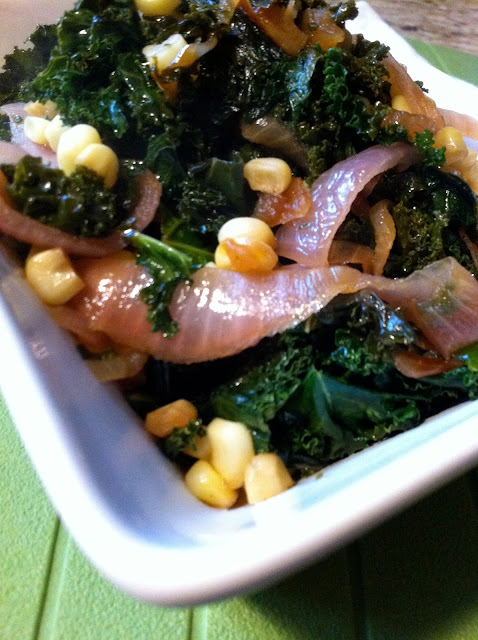
Once you recognise these patterns, bread becomes easier to pair with everyday food. A crusty loaf can balance the earthy sweetness of this warm lentil salad, while soft rolls are useful alongside dips and other easy appetisers. The goal is not a perfect laboratory result; it is a loaf whose structure suits the meal and the moment.
Building reliable bread habits
Begin with a simple lean dough so you can feel how flour, water, yeast and salt behave before adding seeds, dairy or sweeteners. Weigh the ingredients, record the room temperature and note how long the dough takes to rise. These small observations build a personal reference that is more useful than following timing blindly.
Use your hands as measuring tools. A strong dough should stretch into a thin membrane without immediately shredding, although every style has a different ideal. A rustic wholegrain loaf may never pass a perfect windowpane test, while a soft white loaf can become exceptionally elastic. Texture, volume and crumb should be considered together.
Australian ingredients offer plenty of room for experimentation. Try a high-protein flour for a tall loaf, add a portion of wholemeal flour for nuttiness, or incorporate locally grown grains gradually so the dough has enough water and time. Seeds, oats and cracked wheat bring flavour, but they also compete for moisture and may need soaking before mixing.
Gluten development is therefore a balance rather than a single kneading target. Hydrate the flour thoroughly, provide measured movement, manage fermentation and protect the dough during shaping and baking. With those principles in place, a home oven can produce bread with a resilient crust, an airy crumb and the deep flavour that comes from giving the dough exactly the time and care it needs.