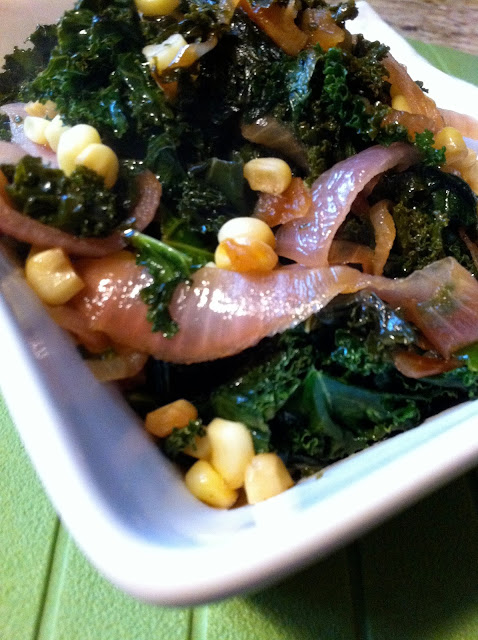

Pomegranate and kale salad with pecans and maple Dijon
A bowl of sturdy greens, jewel-like pomegranate arils and toasted pecans brings colour and contrast to the table. This salad balances earthy kale with sharp mustard, sweet maple syrup and bright citrus, making it substantial enough for lunch yet polished enough for a dinner party.
The recipe suits the Australian calendar beautifully. Kale is easy to find throughout the year, while pomegranates tend to appear more generously in autumn and winter. At a farmers’ market in Melbourne, Sydney or Brisbane, look for fruit that feels heavy for its size and has firm, glossy skin without soft patches.
The dressing is the quiet centre of the dish. Maple syrup rounds out Dijon’s heat, vinegar provides lift, and olive oil carries the flavours through every leaf. For cooks who enjoy browsing beyond one cuisine, these Indian cooking ideas offer a similar lesson in building layered flavour from simple ingredients.
What makes the salad work
Raw kale can be fibrous and assertive, so it benefits from a little preparation. Removing the thick ribs and slicing the leaves into thin ribbons makes each mouthful more tender. A short massage with dressing then softens the greens without turning them limp, preserving enough structure for the salad to hold its shape on a buffet or packed lunch table.
Pomegranate contributes a tart, floral sweetness that cuts through the richness of the pecans. The nuts add crunch and a gentle buttery note, while the mustard vinaigrette ties everything together. A little feta or goat’s cheese can introduce creaminess, although the salad has plenty of character without dairy.
For an Australian pantry, extra-virgin olive oil, apple cider vinegar and Dijon mustard are easy staples to keep on hand. Maple syrup is generally more expensive than local sweeteners, so use it where its distinctive flavour matters. If needed, a small spoonful of honey will work, though it will produce a rounder and less woodsy dressing.
Ingredients and preparation
For four generous side servings, use one large bunch of curly or Tuscan kale, one pomegranate, 80 grams of pecans, 60 grams of crumbled feta if desired, and a small handful of flat-leaf parsley or mint. You will also need 60 millilitres of extra-virgin olive oil, 2 tablespoons of apple cider vinegar or lemon juice, 1 tablespoon of Dijon mustard, 1 tablespoon of pure maple syrup, half a teaspoon of finely grated orange zest, and salt and freshly ground black pepper.
Begin by heating the oven to 170°C fan-forced. Spread the pecans over a baking tray and toast them for 6–8 minutes, checking often because nuts can go from fragrant to burnt quickly. Cool them completely before roughly chopping. Toasting can also be done in a dry frying pan over medium-low heat, but keep the nuts moving for even colour.
Strip the kale leaves from their stems and wash them thoroughly, especially if they have come from a garden or a loose market bunch. Dry them well, then slice into ribbons. Whisk the oil, vinegar, Dijon, maple syrup and orange zest in a small bowl until smooth. Season cautiously at first; the mustard and vinegar already bring plenty of intensity.
Building the salad with care
Place the kale in a wide bowl and add about two-thirds of the dressing. Use clean hands to massage the leaves for two minutes, squeezing and releasing them until they darken slightly and feel softer. This step is worth doing even when using baby kale, although delicate leaves need only a brief toss rather than vigorous treatment.
Add the pomegranate arils, toasted pecans, herbs and feta. Pour over the remaining dressing and toss from the bottom of the bowl so the fruit and nuts are distributed rather than collecting on top. Taste before serving and adjust with extra lemon juice for brightness, maple syrup for sweetness, or black pepper for warmth.
To release pomegranate seeds without staining the kitchen, score the fruit into quarters and pull it apart in a bowl of water. The arils sink while much of the pale membrane floats, making it easier to remove. Drain them thoroughly before adding them to the salad. A few drops of juice on the cutting board are harmless, but a dark stone benchtop will show the colour quickly.
This is also a good place to draw on the practical approach found at Rich and Sweet by Bia Rich, where technique and comfortable home cooking sit side by side. The salad rewards attention, but none of its steps require specialised equipment or restaurant-style precision.
Variations for seasons and occasions
For a more filling main meal, add roasted pumpkin, cooked freekeh, quinoa or brown rice. Warm pumpkin works especially well with the maple dressing, while grains absorb the vinaigrette and make the salad suitable for a work lunch. Shredded roast chicken, smoked trout or chickpeas can also turn it into a complete meal with very little extra effort.
Australian summer gatherings call for lighter additions. Add thinly sliced cucumber, celery, green apple or firm pear for extra crunch, and swap the pecans for macadamias when you want a distinctly local touch. In cooler months, roasted beetroot, caramelised onion and blanched green beans make the bowl more substantial without overwhelming the pomegranate.
If pecans are unavailable or costly, walnuts, almonds or pepitas are good alternatives. Pepitas are particularly useful for nut-free tables, although anyone catering for allergies should check packaging and avoid cross-contaminated products. A handful of dried cranberries can echo the fruit’s tartness, but use them sparingly so the salad does not become too sweet.
The dressing can also move in different directions. Replace orange zest with lemon zest for a sharper profile, add a pinch of ground cumin for savoury depth, or whisk in a small grated garlic clove. For a softer dressing, use wholegrain mustard; its seeds give the salad a rustic appearance and a pleasant little burst of flavour.
Serving, storing and pairing
Serve the salad at cool room temperature rather than straight from the refrigerator. This allows the olive oil to loosen and the mustard to become more aromatic. It works beside roast lamb, grilled chicken, baked salmon or a simple vegetable tart, and its vivid colour makes it a useful addition to a Christmas or summer entertaining spread.
For a wine pairing, choose a dry Australian Riesling from the Clare Valley or Eden Valley. Its citrus character matches the pomegranate and orange zest, while lively acidity refreshes the palate after the pecans and olive oil. A lightly chilled Adelaide Hills Sauvignon Blanc can also suit the salad, particularly when feta or goat’s cheese is included. Guidance in this guide to pairing wine with spicy southern fried chicken is useful when the rest of the meal has stronger seasoning.
Dress only the amount you plan to eat immediately if you want maximum crunch. Undressed kale, toasted pecans and pomegranate can be stored separately for up to three days in the refrigerator, with the dressing kept in a sealed jar. Dressed leftovers remain enjoyable for the next day, though the nuts will soften and the fruit will release some juice.
For picnics, school lunches or a meal carried across town, pack the dressing in a small leakproof container and combine it shortly before eating. The kale is robust enough for transport, unlike delicate lettuce, and the pomegranate seeds hold their shape well. A wide container is preferable to a tightly packed jar because it keeps the nuts from sinking and makes tossing easier.
The finished salad should taste balanced rather than sugary. Its best qualities come from contrast: crisp arils against tender greens, toasted nuts against juicy fruit, and a dressing that moves from mustard heat to maple sweetness before ending with clean acidity. That balance is what makes this pomegranate and kale salad a reliable dish for both weeknight cooking and generous Australian gatherings. A browse through waffle recipes can provide ideas for a brunch menu where the salad’s freshness offsets richer baked dishes.