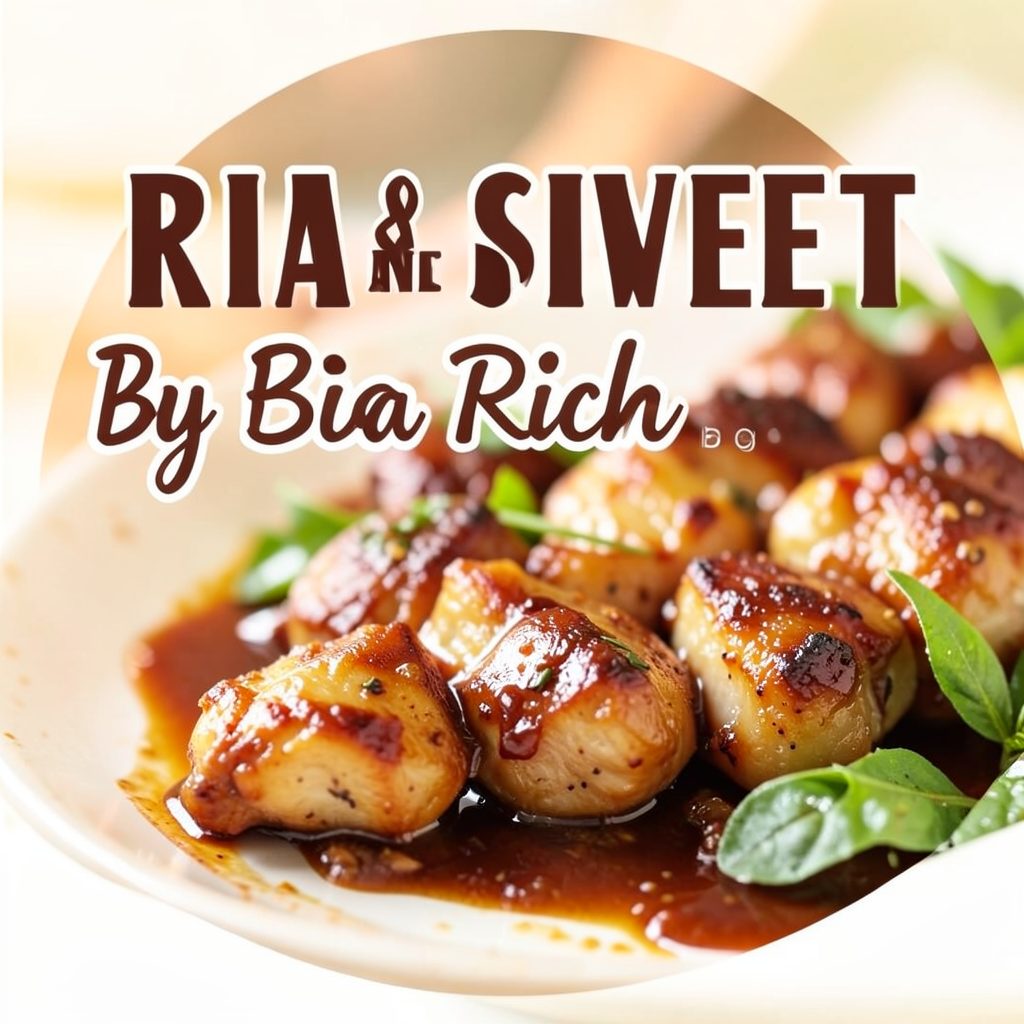
Spicy Thai basil chicken stir fry with crispy rice
A weeknight stir fry built on a sizzling bed of golden rice, fragrant with garlic, bird's eye chili, and the anise-sharp perfume of Thai basil, is the kind of meal that quietly turns into a household ritual. Once you have a version you trust, the rotation becomes almost automatic: rice cooked the night before, a quick trip for fresh herbs on Saturday morning, chicken thighs pounded thin and waiting in the fridge. The dish has roots in the Thai classic pad krapow gai, but the crisp rice base is a personal touch borrowed from Cantonese claypot and Lao-style khao khua traditions, where rice is intentionally crisped in fat to become a textural anchor.
For Australian home cooks, this stir fry is an easy win because most of the pantry is already there. Jasmine rice lives in the cupboard, a bottle of soy and a tube of shrimp paste sit behind the milk, and Thai basil is now stocked by every greengrocer with a following. The Melbourne strip around Victoria Street in Richmond still holds some of the best herb stands in the country, and the Brisbane Farmers' Markets at Rocklea often have growers from the Lockyer Valley bringing through stacks of pungent green bunches that were cut that morning.
The allure of Thai basil chicken over crisped rice
The combination works because the contrast is so deliberate. You have a sauce that wants to cling to slippery protein and slippery leaves, and beneath it a brittle, almost caramelised crust of rice that drinks up the oil and the salty-savory juices as you eat. Crispy rice is not a side dish here; it is the plate. A short-grain jasmine, pressed into a wide pan and left alone long enough to develop a deep, speckled brown, becomes the foundation for the whole stir fry, and the textural reward is what keeps people scraping the bottom of the bowl.
There is a particular pleasure in breaking the rice apart with a spoon mid-meal, hearing the small crackle, and watching steam rise through the slicked greens. The approach shares a logic with the Italian rice cake tradition, where a well-browned crust is the whole point, and you can read more about that on Ortolandia's Italian pantry. For our purposes, the rice only needs about six to eight minutes of patient heat to get where we want it, and any short-grain will do.
Sourcing aromatics from Australian markets
Thai basil, or horapha, is the variety you want, and it is worth tracking down the proper bunch rather than substituting sweet Italian basil. The leaves are narrower, the stems are purple, and the flavour has a clear note of anise and clove that softens the heat rather than hiding it. In Sydney, the Asian grocers along Sussex Street in Haymarket and the stalls at Spice Alley in Chippendale keep bunches in the cool room most days, and in Perth the markets in Willetton and Morley are reliable sources. In regional areas, your best bet is a Coles or Woolworths with an Asian produce range; the packets are small, but they are usually fresh enough.
Garlic, ginger, and shallots are the supporting trinity. Use Australian-grown garlic from the Southern Highlands if you can find it; the cloves are plumper and the flavour a touch sweeter than the imported white. Shallots (sometimes called eschalots here) should be sliced thin and added late so they keep their sweet bite. For chili, the small red and green bird's eye types work best, and a single one is enough for a polite heat. If you want a fuller picture of how aromatic bases work in other cuisines, the piece on understanding the four basic mother sauces in French cooking shows how a few core aromatics shape the whole dish, and the same principle applies here.
For the protein, Australian chicken thigh is hard to beat, and a brand like Ingham or Steggles will give you clean, boneless, skinless pieces that hold up to high heat. Slice them against the grain, about five millimetres thick, and they will sear in under two minutes without drying out.
How to get the rice properly crisp
The rice needs to be cold and a little dry, which means cooking it the day before is the simplest move. A bowl of leftover jasmine, fluffed with a fork and spread on a tray to cool, will crisp far better than a freshly steamed pot. If you are short on time, rinse the raw rice until the water runs almost clear, then use a touch less water than usual so the grains finish with a slightly firm bite; spread it on a tray and chill it for twenty minutes before you start.
Heat a heavy skillet, ideally cast iron, over medium heat with a generous pour of neutral oil or a mild Australian extra virgin olive oil. Press the rice into the pan in an even layer, season lightly with salt, and leave it alone. The first three minutes bring the steam out, the next three bring the crust up, and the final minute is where the colour goes golden-brown and the rice begins to release from the pan in sheets. Slide the cake onto a board, break it into rough pieces, and keep it warm in a low oven while you cook the chicken.
If you want other ideas for starch-based meals built on similar techniques, the soups, sandwiches, breads archive on Bia's site has a few good starting points, and the same patience that browns rice well will serve you in many other places.
Building the stir fry in the right order
The stir fry itself moves fast once you begin, so have everything measured and within reach. Aromatics first, in a screaming hot pan with a slick of oil, until the garlic just begins to colour and the shallots are translucent. Chicken goes in next, laid flat so each slice makes contact with the pan, and you want to leave it alone for thirty to forty seconds before you toss. Sugars in any marinade will start to caramelise, and that browning is where the deep, almost smoky backbone comes from.
Sauce in next: dark soy, a splash of fish sauce, a small spoon of oyster sauce, a touch of palm sugar or brown sugar, and a splash of water to loosen. Let it bubble for ten seconds, then off heat, in goes the basil and the sliced chili. The residual heat of the pan is enough to wilt the leaves without bruising them, and you want them just collapsed, still bright green, still smelling of anise. Pile the stir fry directly onto the warm crispy rice, and serve at once.
A runny fried egg with a barely set yolk on top is the customary finish, and the yolk mixes with the sauce to create an almost gravy-like coating that seeps into the crust. A wedge of lime on the side sharpens everything, and a small bowl of prik nam pla, fish sauce with sliced chili and a squeeze of lime, lets each person adjust the heat to taste.
Heat, holy basil, and how to make it yours
Heat is the most personal part of this dish, and it is also where most home cooks hesitate. The honest answer is to start small. One bird's eye chili, seeds in, gives a warm hum across the back of the throat. Two chilis, sliced thin, and the dish becomes assertive. For a true Thai punch, use three or four and accept that you will be reaching for cold water.
If you can find holy basil, sometimes called kaprao, that is the more traditional choice. The leaves are smaller and slightly fuzzy, and the flavour runs toward pepper and clove rather than anise. It grows easily in Brisbane's humid summers and most of the Queensland coast, and a single plant in a sunny courtyard will keep you in leaves for months. Sweet Italian basil will work in a pinch, but the result will be softer and more salad-like, so save it for cooler months when the Asian herbs are harder to find.
If you are cooking this on a slow weekend morning rather than a rushed weeknight, the ritual of it is part of the pleasure, and you might pair the meal with something a little more deliberate than water. A guide like Bia's guide to the perfect Bloody Mary for a slow morning was written for exactly this kind of unhurried cook, and the savoury weight of the cocktail holds its own against chili and soy.
Drink pairings, leftovers, and a quick comparison
For a weekday version, a cold lager is the honest choice, and anything from a Coopers Pale Ale to a Mountain Goat Hightail Ale will cleanse the palate between bites. If you would rather have wine, an off-dry Riesling from the Clare or Eden Valley is the closest match to Thai basil chicken because the fruit and acidity sit comfortably with chili. For something less obvious, a light red from the Gambellara region in northern Italy, known for soft herbaceous Garganega-based wines, can be a surprise; more on that style can be found at Gambellara region guides.
Leftovers keep for two days in the fridge, though the rice will lose its crispness. The fix is a dry pan over high heat, two minutes a side, and the crust comes back. The stir fry itself reheats well in a splash of water over medium heat, and the basil, oddly, holds up better than you would expect.
| Element | Best choice | Reliable substitute | Notes for Australian kitchens |
|---|---|---|---|
| Rice base | Day-old jasmine | Calrose or medium-grain | SunRice jasmine widely available; spread on a tray to dry before frying |
| Protein | Chicken thigh, boneless | Pork mince or firm tofu | Ingham and Steggles thigh fillets are consistent; press tofu for twenty minutes |
| Herb | Thai basil (horapha) | Holy basil or Italian basil | Holy basil thrives in Brisbane summers; Italian basil is a winter compromise |
| Heat source | Fresh bird's eye chili | Sambal oelek or chilli flakes | Two teaspoons of sambal replaces one chili in a controlled way |
| Aromatic oil | Neutral grapeseed or rice bran | Australian extra virgin olive oil | A fruity EVOO from McLaren Vale adds roundness without overwhelming |
That quick reference will hold you for the first dozen attempts, and after that the ratios are in your hands. The real lesson is the rhythm of the meal: cook the rice a day ahead, get the pan properly hot, and trust the order. The dish rewards a confident hand and a slightly messy kitchen, the kind of cooking that most often gets repeated.