
The Fine Art Of Julienne And Brunoise With A Paring Knife
A paring knife is a small, nimble tool with enough precision to transform an ordinary carrot, shallot or radish into elegant, evenly cut pieces. It is especially useful when a chef’s knife feels too large for delicate work, curved vegetables or ingredients that need close attention. The blade gives your fingertips control, while the short length makes it easier to see exactly where the edge is travelling.
Julienne and brunoise are classic knife cuts, but they are more than restaurant decoration. Thin vegetable matchsticks cook quickly and evenly in stir-fries, soups and salads. Tiny cubes dissolve into sauces, bring texture to a vinaigrette and distribute flavour through every spoonful. Learning these cuts also teaches broader kitchen skills: stable chopping, consistent sizing, safe hand placement and respect for the ingredient.
In an Australian kitchen, this kind of preparation suits the way many of us cook across the seasons. A crisp Sydney summer salad, a Melbourne market vegetable broth or a warming winter meal in Tasmania can all benefit from precise garnishes. Metric measurements make the process straightforward, and locally grown carrots, celery, beetroot, zucchini and herbs offer plenty of affordable practice.
Why Small, Even Cuts Matter
Julienne means cutting food into slender sticks, usually around 3 millimetres square and 4 to 5 centimetres long. The shape resembles a fine matchstick. Brunoise takes those sticks and cuts them crosswise into tiny cubes, commonly 3 millimetres on each side. A fine brunoise may be closer to 1.5 millimetres, though that level of precision is best attempted after the basic movement feels comfortable.
Uniformity matters because pieces of the same size cook at roughly the same rate. If half your carrot is cut into thick strips and the rest into delicate slivers, the thin pieces may soften before the thicker ones are ready. Even cuts also make a dish look composed rather than accidental. A spoonful of soup with evenly scattered vegetable cubes feels more considered, even when the recipe itself is simple.
Start with firm ingredients that do not roll excessively. Carrots, celery, potatoes, apples, capsicum and peeled cucumber are friendly choices. Leafy greens and very ripe tomatoes are less suitable for a first attempt because their texture shifts under the blade. The recipes and kitchen notes at Rich and Sweet kitchen offer the sort of seasonal cooking where these small cuts can add both colour and texture.
Before cutting, wash produce under cool running water, even if it will be peeled, and dry it well. Food Standards Australia New Zealand provides the broad food-safety framework used across Australia and New Zealand; clean hands, clean boards and prompt refrigeration remain sensible habits at home. Keep cut vegetables chilled if they will not be cooked soon, particularly during a hot Brisbane or Perth afternoon.
Choosing And Holding The Knife
A paring knife generally has a blade between 8 and 10 centimetres long. A straight-edged blade is versatile for julienne and brunoise, while a slightly curved or “bird’s beak” blade is useful for turning fruit and vegetables or removing blemishes. Choose a knife that feels balanced rather than one that is simply razor sharp. The handle should sit securely in your palm without forcing your wrist into an awkward angle.
Sharpness is a safety feature. A dull knife tends to skid across a carrot or require excessive pressure, making slips more likely. Hone the blade regularly if your knife is designed for honing, and have it professionally sharpened when it no longer cuts cleanly. A stable chopping board is just as important. Place a damp tea towel beneath the board so it cannot slide across the bench.
Hold the handle with your dominant hand and let your thumb and forefinger pinch the blade just above the handle. This grip gives better control than wrapping every finger tightly around the handle. Your other hand should form a gentle claw: fingertips curled under, knuckles facing the blade. Rest the flat side of the knife against the front of those knuckles and move the guiding hand back gradually as you cut.
Knife etiquette matters beyond the kitchen bench. Australian knife laws differ between states and territories, and carrying a knife in public generally requires a lawful reason. A kitchen knife belongs at home or in appropriate transport, not loose in a car or bag. For cooking, keep the blade pointed away from your body, never try to catch a falling knife and place it flat on the board when you need both hands.
How To Julienne With Control
Begin by trimming the ends of the vegetable. For a carrot, cut it into a manageable length of around 5 centimetres. Slice away a thin strip from one side to create a flat base, then turn the carrot onto that base. This small step stops the vegetable rolling and gives you a more stable surface for every subsequent cut.
Cut the vegetable into flat slabs of equal thickness, aiming for approximately 3 millimetres. Stack two or three slabs carefully, then cut them into long strips of the same width. Work slowly at first. It is more useful to produce six consistent matchsticks than a large handful of uneven pieces. As your guiding hand moves backwards, keep the knife tip near the board and use a smooth rocking motion.
Some vegetables need a slightly different approach. With capsicum, remove the stem and seeds, flatten the flesh skin-side down and slice lengthways. For a zucchini, choose a firm, narrow one and discard the soft seeded centre if it makes the strips unstable. For leafy herbs, stack the leaves, roll them loosely and slice across for a chiffonade rather than a true julienne. The important principle is still the same: stable food, measured slices and relaxed pressure.
Julienne is excellent in Vietnamese-style salads, noodle dishes, slaws and quick vegetable sautés. A few carrot and cucumber matchsticks can brighten a rice-paper roll, while fine strips of ginger and spring onion make a lively garnish for steamed fish. If you are cooking for someone who prefers plant-based meals, vegan recipe ideas can provide useful inspiration for putting finely cut vegetables at the centre of a dish rather than treating them as decoration.
Turning Julienne Into Brunoise
Once the vegetable has been cut into matchsticks, gather a small bundle and align the ends. Hold the bundle firmly with your claw hand, then slice across it at the same width as the sticks. For a standard brunoise, aim for cubes of about 3 millimetres. Do not rush this stage; the small pieces can shift easily, and a crowded board encourages the knife to twist.
A useful professional habit is to create a flat face before every major cut. If a carrot section is round, make a flat side first. If a potato wedge is unstable, trim it into a block. This may create a few offcuts, but they can go into stock, soup or a vegetable scrap bag. Precision does not mean waste. It means choosing a shape that lets you cut safely and consistently.
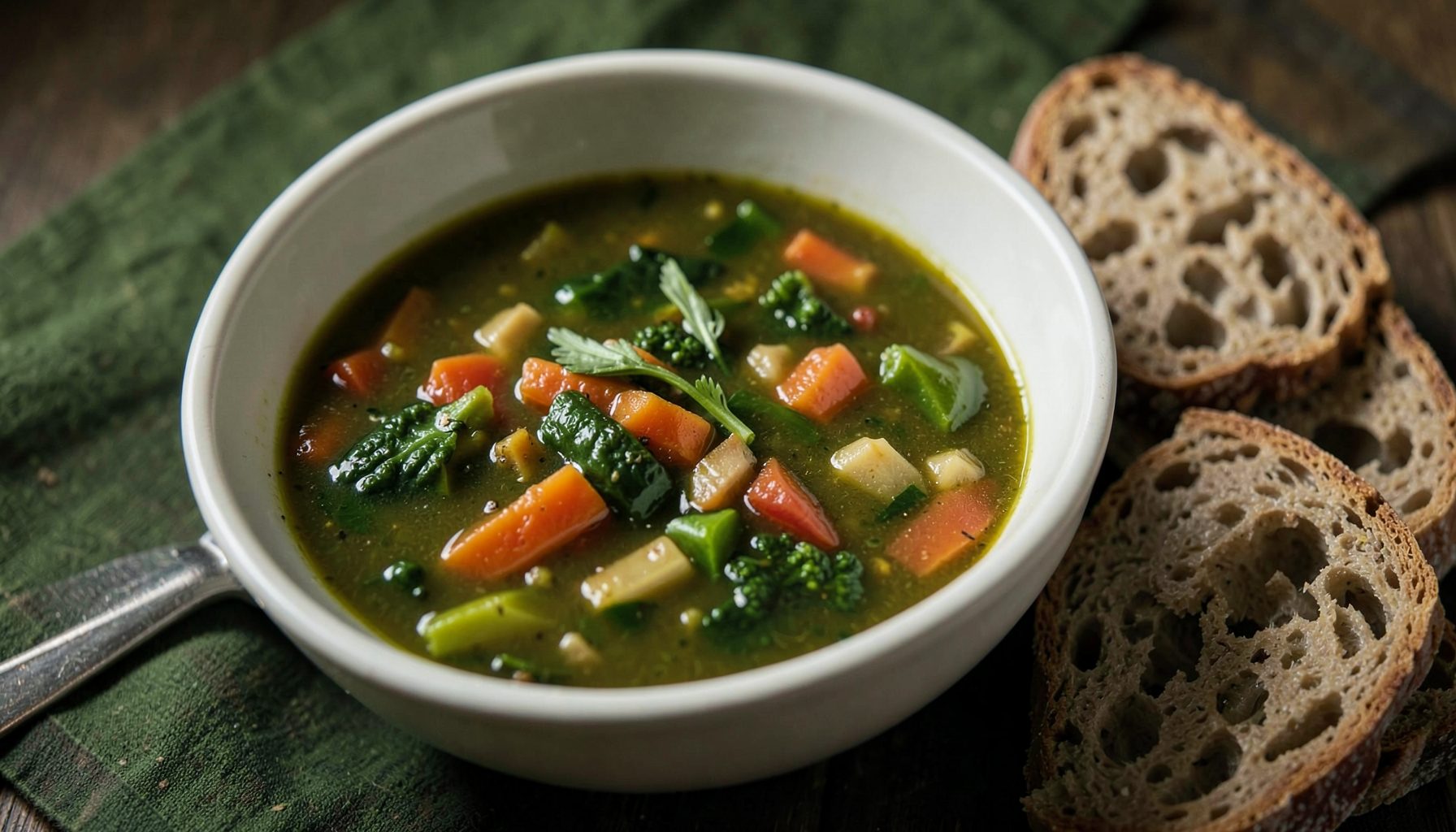
Brunoise is particularly effective in sauces and dishes where you want flavour in every mouthful. Celery, carrot and onion cut into tiny cubes form a refined base for a ragu, lentil stew or chicken soup. A brunoise of tomato, shallot, cucumber and herbs can become a fresh relish, while apple brunoise adds a crisp, lightly sweet note to pork, duck or a sharp cabbage salad.
Keep the finished pieces separate when colour matters. Beetroot will stain pale vegetables, while red cabbage can tint a whole bowl purple. If you are preparing a dressing or salsa ahead of time, add delicate herbs close to serving. Acid from lemon juice or vinegar can soften vegetables, and salt draws out moisture. A short rest can be useful, but hours in dressing may remove the crisp texture you worked to create.
Habits That Make Fine Knife Work Easier
Precision improves through repetition, not force. Set aside a single carrot or zucchini and practise making slabs, sticks and cubes without trying to achieve restaurant speed. Compare the pieces by lining them up on the board. This visual check teaches your hand what 3 millimetres feels like more effectively than constantly measuring with a ruler.
Australian produce varies with region and season, so use what is firm, fresh and reasonably priced. Farmers’ markets in Adelaide, Canberra and Melbourne often provide excellent carrots, celery, radishes and herbs, while supermarkets make everyday practice accessible. In summer, keep the board away from direct heat and return cut produce to a refrigerator running at 5°C or below. In winter, root vegetables are often easier to handle because they are dense and firm.
A small fine dice also works beautifully for entertaining. A casino-themed dinner, for example, might pair crisp brunoised vegetables with drinks and small plates; an evening menu can include live dealer games as part of the entertainment without letting the theme overshadow the food. The knife work still has a practical purpose: tiny, colourful garnishes make simple canapés and bowls feel special.
Use these habits to build confidence:
- Stabilise every round vegetable by cutting a flat base before slicing.
- Keep the guiding fingertips curled and let the knife’s side touch the knuckles.
- Cut a few pieces, pause and check their size before continuing.
- Use a sharp, well-balanced paring knife rather than pressing harder with a blunt blade.
- Save clean trimmings for stock, vegetable soup or a compost container.
- Chill prepared vegetables promptly, especially in warm weather or during outdoor entertaining.
- Wash, dry and store the knife safely; never leave it submerged in a sink.
Fine knife work should make cooking calmer, not more stressful. When the blade is sharp, the board is stable and the ingredient is arranged sensibly, each cut becomes a small, repeatable movement. Julienne gives dishes graceful length and crunch; brunoise adds even flavour, colour and texture. With a little patience, a modest paring knife can bring restaurant-level detail to everyday Australian meals.