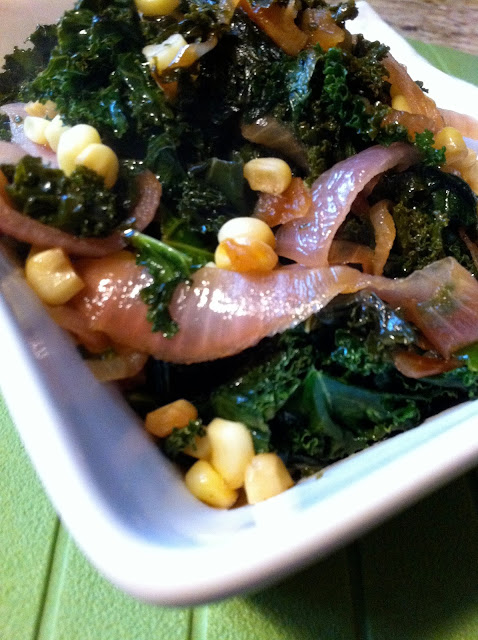

Baby kale and roasted squash salad with maple vinaigrette
Roasted squash brings caramelised sweetness and a little smoky depth to this salad, while baby kale contributes crunch, earthiness and a pleasantly bitter edge. A maple vinaigrette ties those contrasting flavours together without making the dish taste overly sweet.
This baby kale and roasted squash salad with maple vinaigrette works equally well as a light lunch or the first course at dinner. The leaves stay crisp, the squash turns tender at the edges, and the dressing can be prepared while the oven is heating.
The essential balance comes from maple syrup, sharp vinegar and olive oil. A little mustard adds savoury depth, while salt brings out the sweetness in both the squash and the dressing. Serve the salad warm or at room temperature, depending on the weather and the rest of your menu.
Why maple works with roasted squash
Maple syrup is more useful here than a sugary glaze because it settles into a balanced vinaigrette. Its rounded sweetness softens the bitterness of kale, while roasted squash echoes the syrup’s caramel notes. A small quantity of acid keeps the maple from tasting flat.
Baby kale is sturdy enough to hold its shape, yet tender enough to eat raw. When the leaves are well seasoned, they support stronger ingredients such as squash, nuts and sharp cheese. The stems can be removed, but the small leaves do not need to be chopped.
A successful salad needs contrast in temperature and texture. Warm squash against cool leaves gives the bowl immediate appeal, while toasted seeds or nuts provide crunch. The dressing should be noticeable without coating every leaf in sweetness.
Shopping for seasonal Australian ingredients
At Melbourne’s Queen Victoria Market, look for compact bunches of baby kale with small, deeply coloured leaves. Avoid any bunches with yellowing edges or limp stems. Squash is widely available through both markets and greengrocers, and a small butternut or Australian pumpkin is ideal for cutting into even pieces.
The Australian kitchen calendar makes kale particularly rewarding from autumn through spring. It is often at its best during the cooler months, when its naturally sweet flavour needs less dressing. Supermarket bunches remain available year-round, but their condition varies, so choose according to the leaves rather than the season alone.
It also helps to have a bottle of good olive oil and real maple syrup ready before shopping. In Australian kitchens, a modest amount of imported maple syrup goes a long way, so buy a smaller bottle and use it deliberately. Keep a fruity Australian olive oil for everyday salads and reserve something more peppery for the vinaigrette.
Preparing the kale and squash
Wash the kale thoroughly and dry it well. Strip the leaves from their stems, tear the larger pieces into bite-sized sections and place them in a wide bowl. Add a teaspoon of the vinaigrette and massage the leaves for about thirty seconds. They should become slightly glossy and softer without collapsing.
Peel the squash if the skin is thick, then cut it into two-centimetre wedges or one-centimetre cubes. Toss it with olive oil, flaky salt and black pepper. Roast at 200°C fan-forced or 220°C conventional for twenty-five to thirty-five minutes, depending on the size of the pieces.
Crowding the tray can trap steam and leave the squash pale. Use two trays if necessary, arranging the pieces with space between them. They are ready when the centres yield easily to a knife and the edges have developed a deep golden colour.
Balancing maple with acid
For a dressing serving four, combine two tablespoons of maple syrup, one tablespoon of apple cider vinegar, one teaspoon of Dijon mustard and five tablespoons of olive oil. Season with salt and freshly cracked pepper. Taste before adding more maple, since the acidity of the vinegar should remain clear.
The useful principle behind vinegar in pie dough applies here as well: a small amount of acid can make sweetness taste more complete. Cider vinegar gives this version a gentle fruitiness, though lemon juice or rice vinegar will also work.
Whisk the maple, vinegar and mustard first, then gradually incorporate the oil. The dressing should become slightly thickened and opaque. If it tastes sharp, add a spoonful more oil; if it seems flat, add a teaspoon of maple syrup rather than pouring in extra sweetness.
Assembling the bowl
Dress the kale just before serving, using only enough vinaigrette to lightly coat the leaves. Arrange them on a broad platter rather than a deep bowl so the squash remains visible. Add the roasted squash while it is still warm, allowing a little of its heat to soften the greens.
Toasted pumpkin seeds, walnuts or hazelnuts add richness and crunch. A little crumbled pecorino or feta provides saltiness, while thin slices of apple bring freshness and a clean crunch. Softened shallots can be folded through the dressing if you prefer something more aromatic.
For a weekend brunch, a crisp waffle beside the salad adds another warm element without requiring a complicated menu. The waffle inspiration offers a useful starting point, particularly if you want to keep the cooking method simple and the final plate generous.
Choosing a drink alongside
A dry Australian sparkling wine is particularly good with this salad because its bubbles refresh the palate after the bitter kale. A crisp riesling or similarly aromatic white also works well, especially if the maple dressing is noticeably sweet. Serve the wine well chilled.
For a non-alcoholic option, combine sparkling water with a squeeze of lemon and a small splash of apple juice. The result should taste more refreshing than sweet. Cold-brew coffee is less conventional with kale, but a small glass can work as a bitter accompaniment in a relaxed lunch setting.
The kitchen’s broader more drink ideas can help you find a match for the season or the rest of the meal. Keep the final choice sparkling, dry and uncomplicated so it does not compete with the maple.
At an Australian backyard barbecue, this salad is useful while the grill is heating. It provides a fresh, substantial option beside grilled meat without requiring the cook to leave the barbecue unattended. It also travels well to picnics when the dressing is packed separately.
Serving the salad your way
For a larger meal, add a warm vegetable side and let the salad remain the freshest element on the menu. Collections such as Polish home cooking can inspire a simple side based on cabbage, potatoes or seasonal greens, all of which pair comfortably with a maple-dressed salad.
The acidity can be adjusted according to the ingredients and the occasion:
| Vinegar choice | Flavour | Best match | Simple adjustment |
|---|---|---|---|
| Apple cider vinegar | Bright and gently fruity | Butternut squash and mature kale | Use a little less than the standard quantity |
| Lemon juice | Clean and sparkling | Delicate squash and young leaves | Add a teaspoon of maple syrup if it feels too sharp |
| Rice vinegar | Mild and rounded | Walnut or pumpkin-seed toppings | Increase the mustard slightly for extra depth |
For the freshest bowl, keep the preparation simple:
- Choose kale with small, firm, deeply coloured leaves.
- Cut the squash into evenly sized pieces for consistent roasting.
- Massage the kale with only a small amount of dressing.
- Add the roasted squash while it is still warm.
For an Australian-style table, build the plate around these choices:
- Serve the salad first while the barbecue or main dish is resting.
- Add toasted pumpkin seeds for crunch and an earthy flavour.
- Pair it with a dry sparkling wine or chilled sparkling water.
- Keep the dressing separate when transporting the salad to a picnic.