
No-Knead Olive And Rosemary Focaccia With A Crisp Bottom
A good focaccia should offer several textures in one square: a crackly, olive-oil-fried base, a tender crumb full of airy pockets, and a lightly salted top scented with rosemary. This no-knead version achieves that balance with time, generous oil, and a hot metal pan rather than strenuous mixing or specialised equipment.
The method suits a relaxed Australian kitchen, whether you are baking for a Sydney weekend lunch, a Melbourne picnic, or a family table in the North Carolina countryside. Briny olives bring savoury depth, fresh rosemary adds fragrance, and a long, cool rise develops flavour while leaving you free to prepare the rest of the meal.
The Ingredients That Build Flavour
Use 500 grams of bread flour or strong plain flour, 400 grams of lukewarm water, 7 grams of instant dried yeast, 10 grams of fine sea salt, and 3 tablespoons of extra-virgin olive oil for the dough. You will need another 4 to 5 tablespoons of oil for the tray and the top. This is a wet dough, and that high hydration is what helps create a moist, open interior.
Choose pitted green or black olives with a flavour you genuinely enjoy. Kalamata olives contribute a winey, fruity savouriness, while green Sicilian or Castelvetrano-style olives are milder and buttery. Drain them thoroughly and pat them dry before chopping or leaving them whole. Excess brine can make the dough loose and the surface patchy.
Fresh rosemary is worth seeking out at an Australian farmers’ market or growing in a pot, where it generally copes well with sunny balconies and dry conditions. Strip the leaves from two small sprigs and chop half finely for the dough. Keep the remaining leaves for the top, where they will perfume the oil as the focaccia bakes.
Mixing Without Kneading
Place the flour, yeast, and salt in a large bowl, keeping the salt and yeast apart until you begin mixing. Add the water and 3 tablespoons of olive oil, then stir with a wooden spoon or sturdy spatula until no dry flour remains. The mixture should look shaggy, sticky, and uneven rather than smooth.
Fold in the chopped rosemary and about two-thirds of the olives. Cover the bowl with a plate, reusable cover, or damp tea towel. Leave it at room temperature for 30 minutes, then perform a simple fold: wet your hand, lift one edge of the dough, stretch it upwards, and fold it across the centre. Turn the bowl and repeat three more times.
These folds take less than a minute and replace conventional kneading. They strengthen the gluten gradually without knocking all the air from the dough. If the kitchen is warm, as it can be in Brisbane or Adelaide during summer, use cool water and shorten the first rise slightly. The dough should expand noticeably, but it does not need to double before going into the fridge.
Time Does The Heavy Work
Cover the bowl tightly and refrigerate it for 12 to 24 hours. This slow fermentation gives the focaccia a deeper wheaty flavour and a more elastic texture. The dough may develop bubbles across the surface and pull away slightly from the sides of the bowl.
When you are ready to bake, generously oil a metal baking tray, ideally around 23 by 33 centimetres. A dark metal tray encourages browning, while a glass dish usually produces a paler, softer bottom. Tip the cold dough into the tray and turn it once so the outside is coated with oil.
Leave it at room temperature for 2 to 3 hours, until it becomes soft, puffy, and relaxed. In a heated Australian home, this may happen more quickly; in a cool Melbourne kitchen, allow extra time. Rushing this stage can produce a dense crumb, so judge by the dough rather than the clock. It should slowly spring back when pressed at the edge.
Creating The Crisp Bottom
The crisp base depends on three things: enough oil beneath the dough, a properly preheated oven, and a pan that conducts heat efficiently. Pour another tablespoon or two of olive oil around the edges and underneath the dough. Gently stretch the dough towards the corners, stopping if it resists. Wait 10 minutes, then stretch again.
Drizzle the surface with more oil and use oiled fingertips to press deep dimples across the dough. Push all the way down without tearing it, creating pockets that will hold oil and seasoning. Scatter over the remaining olives and rosemary, then finish with flaky sea salt. Press the toppings lightly into the dough so they do not scorch or roll off.
Heat the oven to 220°C conventional or 200°C fan-forced, allowing at least 30 minutes for it to become fully hot. Australian recipes often list fan-forced temperatures separately, and reducing the setting by about 20°C prevents the rosemary and olives from darkening before the base is cooked. Bake on a lower rack for 25 to 32 minutes, until the top is deeply golden and the underside sounds hollow when tapped.
A Reliable Baking Method
For an especially crisp bottom, place the empty tray in the oven while it preheats, then carefully add the oiled dough to the hot tray. This technique requires confidence and heatproof gloves, so a room-temperature tray is perfectly acceptable for a first attempt. The preheated-pan method gives the base a quick burst of heat, much like the floor of a small bread oven.
Watch the edges during the final 10 minutes. They should pull away slightly from the pan and become richly browned, while the centre remains springy rather than wet. If the surface colours too quickly, lay a loose sheet of foil over the top and continue baking until the base is firm.
Let the focaccia rest in its tray for 5 minutes, then lift it onto a wire rack. Leaving it in the pan for too long traps steam and softens the crust. Brush the hot surface with a final drizzle of olive oil if desired. Cut it with a serrated knife once warm, or wait until cool for cleaner slices.
Ways To Serve It
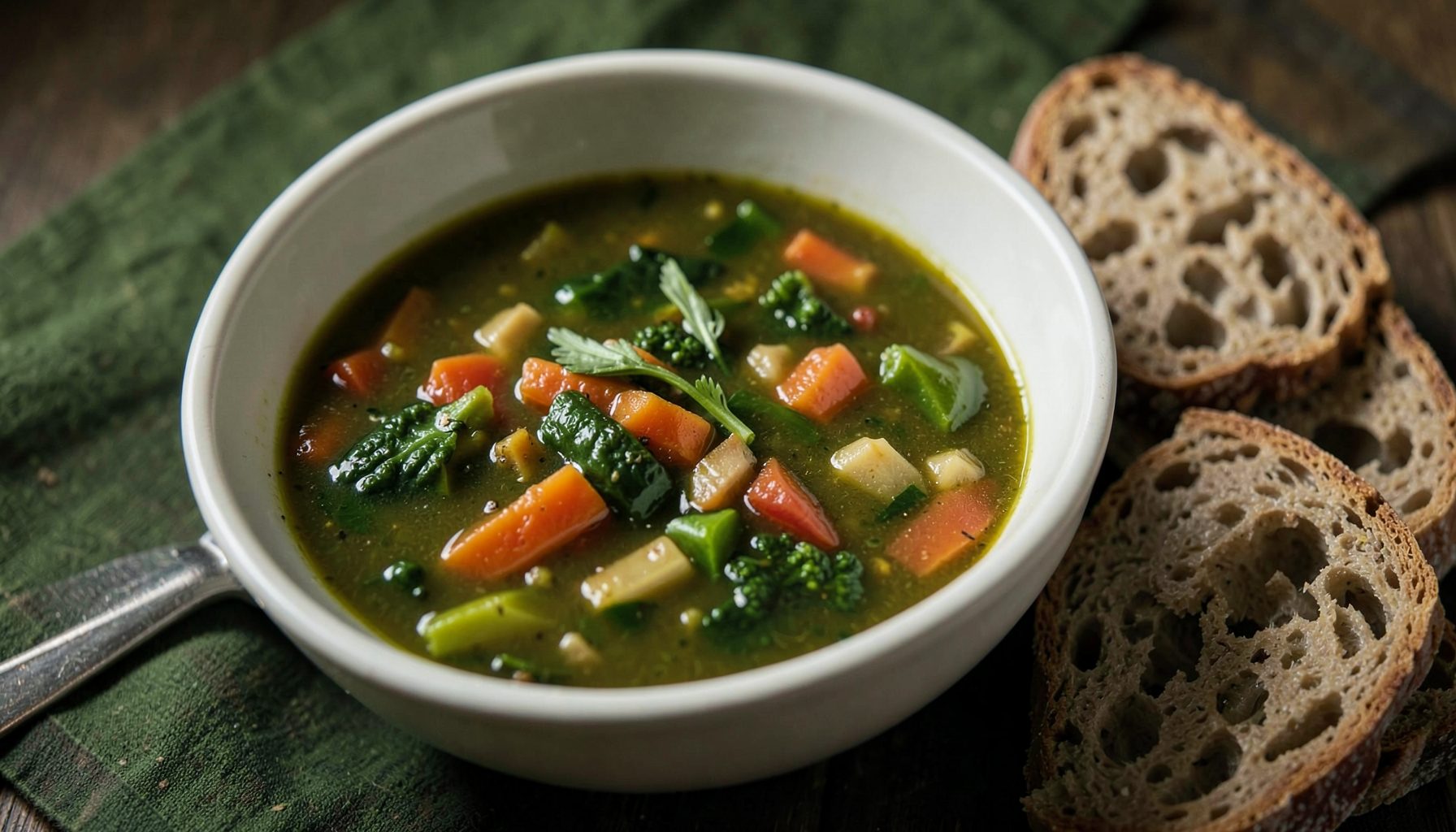
This olive and rosemary focaccia is substantial enough to serve with soup, roasted vegetables, or a platter of grilled eggplant. It also works beautifully beside a tomato salad or leafy lunch; ideas for fresh accompaniments can be found among these seasonal salad recipes. The salty bread can stand in for crackers with hummus, whipped ricotta, or a sharp white bean dip.
For a picnic, cool the bread completely before wrapping it in baking paper and placing it in a reusable container. It makes excellent sandwiches with roast chicken, provolone, grilled capsicum, or mortadella. In Australia, where weekend gatherings often move between the barbecue, balcony, and beach, sturdy slices are easier to carry than delicate dinner rolls.
Pair it with a crisp Australian white wine such as a South Australian vermentino or a dry Hunter Valley semillon. A chilled lager is equally welcome, particularly when the focaccia is served with grilled prawns or vegetables. The rosemary and olives also complement a simple gin and tonic with lemon, provided the drink is kept separate from the baking area.
Keeping The Bread Fresh
Focaccia is at its best on the day it is baked, when the bottom is crisp and the interior is fragrant. Store leftovers at room temperature in a paper bag inside a loosely closed container for up to two days. Avoid refrigerating it unless the room is unusually hot, as the cold air firms the starch and makes the crumb seem stale.
To revive a slice, heat it in a 190°C oven for 5 to 8 minutes. An air fryer also works well at around 170°C for 3 to 4 minutes, though the edges may brown quickly. For longer storage, wrap individual pieces tightly and freeze them for up to two months. Reheat from frozen in a hot oven; thawing first can make the surface damp.
If you are serving the bread with perishable fillings, follow Australian food-safety habits rather than leaving sandwiches in the sun. Food Standards Australia New Zealand guidance uses the two-hour and four-hour principle for potentially hazardous foods: keep them cold, and count the total time they spend between 5°C and 60°C. Plain focaccia is less risky, but meat, soft cheese, and creamy spreads need care, especially at an outdoor gathering.
Small Adjustments For Every Bake
The dough is forgiving, but the tray, flour, and weather can change the result. Australian plain flour varies between brands, so hold back 15 grams of the water if your flour appears less absorbent. Add it during mixing only if the dough feels stiff. The finished mixture should cling to your fingers but still stretch easily.
A touch of spice can shift the character without overwhelming the rosemary. Add cracked fennel seed, chilli flakes, or a little lemon zest with the olives. For a more adventurous vegetable version, use a carefully balanced seasoning blend such as this roasted vegetable spice blend, sprinkling it lightly over the oiled surface.
The most useful habit is to record what happened: the flour brand, room temperature, rise time, and how dark the base became. Bia Rich’s wider collection of cooking stories and recipes reflects the same practical approach—pay attention to ingredients, trust your senses, and let technique serve flavour.
Practical Baking Notes
- Use a metal tray with a generous coating of olive oil when a crisp underside is the priority.
- Give the dough enough time to become puffy and airy before dimpling it.
- Reduce the oven temperature by about 20°C when using a fan-forced setting.
- Pat olives dry so their brine does not weaken the dough or create soggy patches.
- Cool leftovers on a rack, then reheat them in a hot oven to restore the crust.