A Seared Scallop with Brown Butter and Caper Sauce
Few plates feel as quietly luxurious as a row of seared scallops in a glossy brown butter and caper sauce. The cooking is fast, the ingredient list is short, and the contrast between the caramelised crust and the silken centre is one of the most satisfying rewards in the kitchen. It is the kind of meal that turns an ordinary arvo into a small celebration, the sort of dish you'd set down in front of a friend who has popped in with a bottle of something decent from Margaret River.
For Australian home cooks, the recipe has particular appeal. Our coastline hands us some of the cleanest seafood in the world, and scallops are easier to find than ever, fresh, shucked, or frozen at the counter. The sauce leans on pantry staples, and the technique transfers to almost any other protein.
The Quiet Power of Scallops
Scallops are nearly all protein and water, which means everything about their final texture depends on heat and timing. A perfect sear yields a deep brown crust, a whisper of caramelisation around the edges, and a tender, almost custardy centre. A few seconds too long and the same scallop turns rubbery, the moisture driven out, the sweetness flattened. That fragility is what makes them worth treating with care.
The reward for restraint is a flavour that is both oceanic and milky, with a delicate sweetness that handles acid and salt beautifully. This is why brown butter and capers work so well together: the sauce is rich and assertive, but the scallop stays the quiet star. You taste the scallop first, the sauce second, and the pairing feels inevitable rather than designed.
Sourcing Scallops in Australia
Most cooks will find their scallops at the Sydney Fish Market, a local fishmonger, or via a regional supplier shipping from places like Coffin Bay or the waters off Tasmania. When shopping, trust your nose more than the label. Scallops should smell clean, like the sea rather than the harbour, and look glossy and plump without milky liquid pooling around them, which is a sign of age.
You will notice two types on the cabinet. Dry-packed scallops have not been treated with sodium tripolyphosphate, so they sear rather than steam. Wet-packed scallops are plump in the bag but release water the moment they hit a hot pan, robbing you of that golden crust. Where possible, choose dry. If only wet-packed are available, pat them thoroughly with paper towels before cooking. Frozen scallops are a sensible option for those far from the coast; thaw them slowly in the fridge and dry them well before the sear.
The Art of Brown Butter
Brown butter, or beurre noisette, is butter cooked past the melting point until the milk solids turn toasty and the colour shifts from yellow to amber. The transformation takes only minutes, but it demands attention. Step away to answer the door and you will return to a pan of bitter, blackened solids rather than something nutty and fragrant.
Use a light-coloured pan so you can see the colour change. Slice the butter into even pieces so it melts at the same rate, swirl the pan often, and listen. The butter will hiss, then quiet, then foam as the water cooks off. Once the foam settles and brown flecks drift through golden liquid, pull the pan off the heat. Carry-over will finish the cooking in the few seconds it takes you to walk to the stove. The aroma is the giveaway: warm hazelnuts, toffee, a faint whisper of caramel.
Building the Caper Sauce
The sauce begins in the same pan you used for the scallops, after they have been set aside on a warm plate. Those browned bits stuck to the bottom, the fond, are pure flavour, and skipping them is leaving money on the table. Splash in a small glass of dry white wine, the sort of crisp chardonnay or pinot gris from Margaret River or the Adelaide Hills, and scrape the pan as it bubbles.
Once the wine has reduced by half, add a generous squeeze of lemon juice, a handful of rinsed capers, and a few grinds of black pepper. Simmer for a minute, then whisk in your brown butter off the heat. The butter thickens the sauce and gives it that glossy, spoon-coating finish. A scatter of chopped flat-leaf parsley at the very end adds colour and a grassy freshness that cuts through the richness. If you have a leftover splash of wine from a few nights earlier, this is the dish to use it in; the blog's guide to using leftover wine goes deeper into turning those dregs into vinegar or a poaching liquid.
Achieving the Perfect Sear
The sear is the centre of this dish, so give it the respect it deserves. Choose a heavy stainless steel or cast iron pan, not a non-stick, because you want the crust that only direct metal contact can provide. Heat the pan over medium-high until a drop of water skitters across the surface and evaporates in under a second. Add a thin film of neutral oil with a high smoke point and let it shimmer.
Season your dry scallops generously with salt and place them in the pan without crowding. You should hear an immediate, confident sizzle; if you do not, the pan is not hot enough. Resist moving them. After ninety seconds to two minutes, the scallops will release themselves from the pan with a gentle nudge from a fish spatula. Flip, cook the other side for thirty to sixty seconds, then transfer to a warm plate. Crowding is the enemy: cook in two batches if you must, and the wait is worth it.
Pairing and Plating for the Australian Table
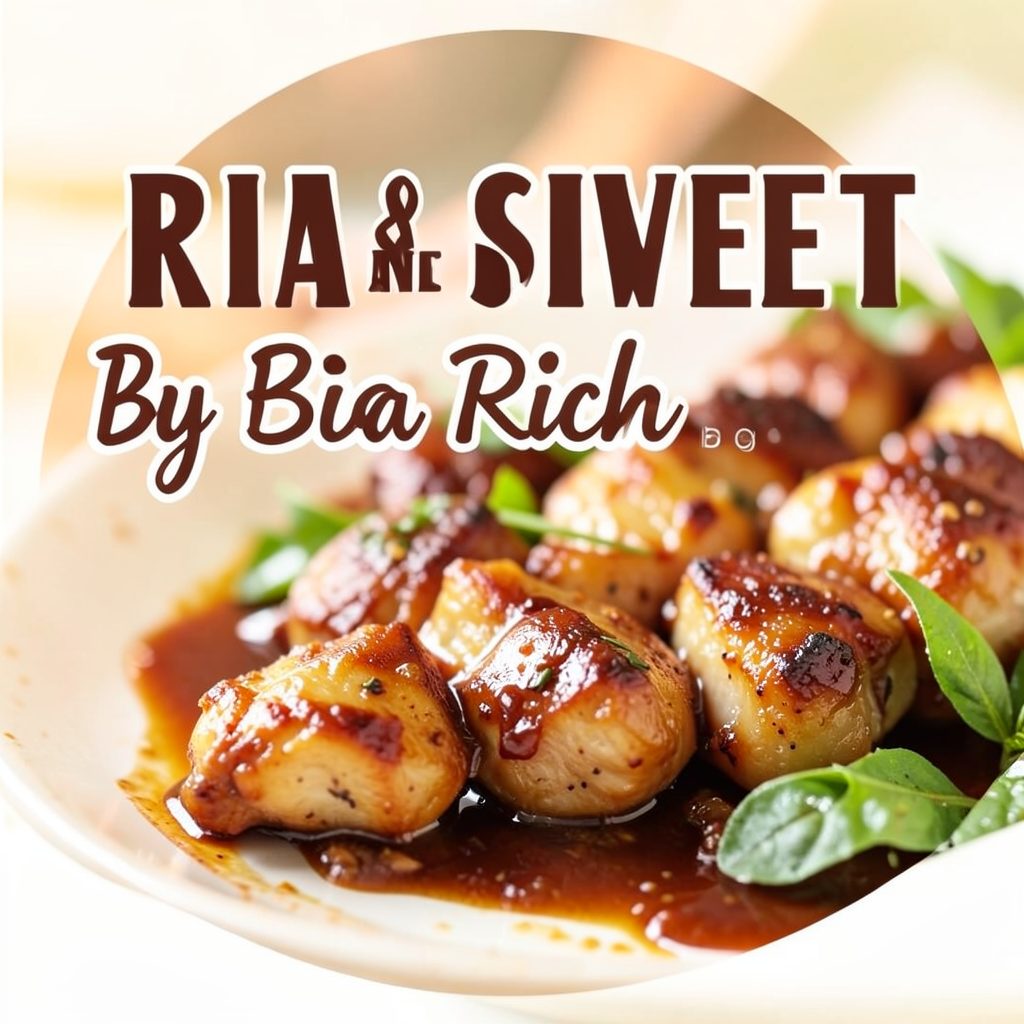
Australian dining tends to favour relaxed, generous plating, and this dish suits the mood. Spoon a little sauce across the base of a wide, shallow bowl or a long plate, set three or four scallops in a loose row, then drizzle more sauce over the top and finish with a final grind of pepper and a tiny flake of sea salt. A few sprigs of parsley and a shaving of lemon zest are all the garnish you need.
For sides, keep things simple. A green salad with a sharp vinaigrette, steamed baby potatoes tossed with olive oil and dill, or a slice of grilled sourdough to mop up the sauce all work beautifully. If you want a heartier menu built around this dish for friends, the Thai basil chicken stir-fry makes an unexpected but lovely counterpoint, even though the flavour profile is entirely different.
When it comes to wine, the obvious choice is a Margaret River chardonnay with a bit of oak to echo the brown butter, though a Yarra Valley pinot gris also sings alongside the capers. A young Hunter Valley semillon works if you prefer something leaner and more mineral. For something red and slightly chilled, a Tasmanian pinot noir will surprise you with how well it handles the richness.
Common Pitfalls and Easy Variations
The most common mistake is overcooking. Scallops go from perfect to overdone in the space of a breath, so err on the early side and let them rest. They will continue cooking gently from residual heat and finish beautifully on the plate. The second most common mistake is underseasoning: scallops are sweet and need salt to bring out their flavour. Be generous with the salt before the sear and taste the sauce before serving. If the capers are mild, add a pinch more. If the sauce feels flat, another squeeze of lemon usually wakes it up.
If capers are not your thing, swap them for chopped green olives, a spoonful of cornichons, or even a few drops of fish sauce for an umami twist. Brown butter welcomes other herbs too: try tarragon, chives, or chervil in place of parsley. And if you want to take the dish in a different direction, swap the scallops for prawns, though shorten the cooking time and lean on extra lemon to balance the sweetness.
For those who love a toasted, bread-y element to round out a meal, the patience and heat-management at the heart of grilled cheese technique shares a similar philosophy and rewards practice in exactly the same way.
| Scallop Type | Texture & Flavour | Best For | Wine Pairing |
|---|---|---|---|
| Dry-packed sea scallops | Firm, sweet, no chemical aftertaste | High-heat sear, golden crust | Margaret River chardonnay |
| Wet-packed sea scallops | Plump but watery when cooked | Sauces, pastas, chowders | Yarra Valley pinot gris |
| Tasmanian day-boat scallops | Small, intensely sweet | Quick sear, raw, ceviche | Hunter Valley semillon |
| Coffin Bay scallops | Creamy, medium-bodied | Grilling, roasting, seared | Tasmanian pinot noir |
| Frozen IQF scallops | Reliable, mild | Everyday sear, stir-fries | Adelaide Hills riesling |
Once you have made this dish a few times, it will become one of those recipes you return to without thinking. The ingredients are forgiving, the technique transfers to other proteins, and the result always feels like more than the sum of its parts. Whether you cook it for a quiet dinner for two or a relaxed gathering around a long table, the seared scallop with brown butter and caper sauce delivers exactly what a good meal should: warmth, contrast, and the simple pleasure of something well made.