
Sweet and Spicy Pickled Red Onions for Every Plate
A jar of sweet and spicy pickled red onions can transform an ordinary meal with almost no effort. Thinly sliced red onion softens in a bright vinegar brine while retaining just enough crunch, bringing acidity, gentle sweetness, colour and chilli heat to everything from a breakfast roll to a grilled steak.
The method is quick, inexpensive and flexible. You can make a small batch after shopping, adjust the heat to suit your household and keep the onions ready in the refrigerator for those moments when dinner needs a sharp, lively finish. They are especially useful in warm Australian weather, when crisp toppings make substantial meals feel lighter.
This recipe reflects the practical, flavour-focused approach found at Bia Rich and Sweet, where pantry staples, seasonal produce and sound kitchen technique come together. The onions are equally at home with backyard barbecue food, a café-style lunch or a bowl assembled from leftovers.
Why This Jar Earns Its Place
Pickling red onions is a simple form of flavour layering. Vinegar supplies acidity, sugar rounds off its sharp edge, salt intensifies the onion’s savoury character and chilli adds a lingering warmth. The result is more balanced than raw onion and more spirited than a plain condiment.
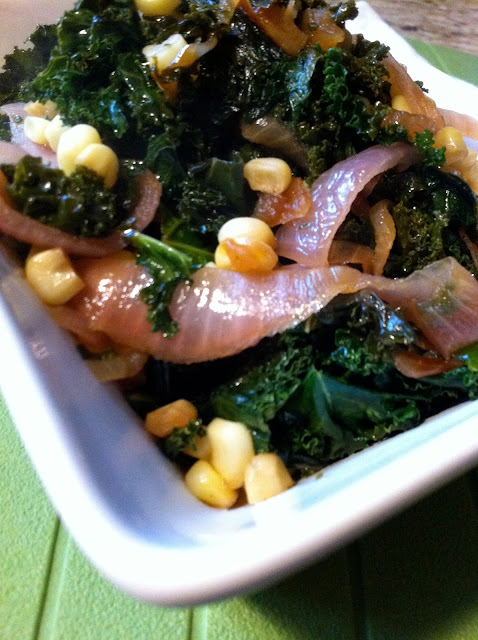
The colour is part of the appeal. As the onion slices sit in the acidic liquid, their purple edges gradually turn vivid pink. That jewel-like shade makes even a plain plate look considered, which is useful when serving burgers, tacos, rice bowls or a platter of grilled vegetables.
The texture also matters. Unlike onions cooked until soft, quick-pickled slices remain pleasantly crisp. They cut through rich foods such as sausages, fried eggs, cheese and creamy dressings, giving each bite a cleaner finish. A small forkful can make yesterday’s roast chicken or a simple tin of beans feel newly prepared.
Choose Ingredients with Character
Select firm red onions with dry, papery skins and no soft spots. Medium onions are easy to slice evenly, though large ones work well when you are feeding a crowd. A sharp knife or mandoline will produce neat half-moons; if using a mandoline, protect your fingers and slow down as the onion becomes smaller.
For the brine, use a mild vinegar such as apple cider vinegar, rice vinegar or white wine vinegar. Apple cider vinegar gives a rounded, fruity note, while rice vinegar is softer and slightly delicate. Plain white vinegar creates the clearest, brightest result, but it may need a little extra sugar for balance. Avoid relying on an unlabelled homemade vinegar for preserving, since its acidity may be unpredictable.
Fresh chilli brings a cleaner flavour than dried chilli flakes, although both are useful. Jalapeño or long green chilli offers moderate heat, while bird’s-eye chilli gives a much sharper Australian-style kick. Add black peppercorns, coriander seeds, mustard seeds, a bay leaf or a strip of citrus peel if you want more aromatic complexity without making the onions taste like a spice cupboard.
Build a Balanced Brine
A reliable starting point is equal parts vinegar and water, with enough sugar and salt to make the liquid taste bright rather than harsh. For two medium red onions, combine 250 millilitres vinegar, 250 millilitres water, two tablespoons caster sugar and two teaspoons fine salt. Taste the mixture before adding the onions and adjust it to your preference.
Warm the brine in a saucepan until the sugar and salt dissolve. It does not need a rolling boil. Pouring hot liquid over the onion slightly softens the slices and helps the seasoning move into them quickly. If you prefer a crisper result, pour the cooled brine over the raw onion and allow a longer resting time.
The following variations help you adapt the basic formula without losing its balance:
| Style | Brine adjustment | Best with |
|---|---|---|
| Gentle and fruity | Apple cider vinegar, extra half tablespoon sugar | Pork, cheddar, roast vegetables |
| Bright and clean | White vinegar, lemon peel, black pepper | Fish, chicken, salads |
| Warm and aromatic | Rice vinegar, coriander seeds, ginger | Rice bowls, dumplings, grilled prawns |
| Fiery and savoury | White vinegar, bird’s-eye chilli, garlic | Tacos, sausages, barbecue meat |
| Low-sugar | Reduce sugar to one teaspoon and add extra water | Bean salads, hummus, grain bowls |
A little sweetness is useful even when you do not want a noticeably sweet pickle. It smooths the acid and chilli, rather than turning the onions into a relish. For a richer, more complex flavour, replace part of the sugar with honey, though the honey’s floral character will be more apparent in a mild vinegar.
Slice, Season and Store
Place the sliced onions in a clean, heatproof jar or container and tuck the chilli and spices among the layers. Pour in enough warm brine to cover them completely, pressing the onions down with a clean spoon. Leave the jar uncovered briefly so steam can escape, then seal it and refrigerate once it has cooled.
The onions are enjoyable after about 30 minutes, but the flavour becomes more integrated after several hours. Their colour will deepen and the texture will soften slightly overnight. For the best crunch, use them within the first week; they may remain edible longer when handled carefully, but quality gradually declines.
This is a refrigerator pickle, not a shelf-stable preserve. Use a clean jar, clean utensils and fresh ingredients, and keep the onions cold at 5°C or below. Do not store them in the pantry or treat a hot-fill jar as safe for long-term room-temperature storage. In Australia, businesses must follow the relevant Food Standards Australia New Zealand requirements, while home cooks should take the cautious route for refrigerated food and discard anything with mould, off odours, bubbling or an unusual texture.
Bring Contrast to Everyday Meals
In Australia, these onions are made for barbecue food. Spoon them over sausages in a roll, tuck them into a steak sandwich or serve them beside grilled lamb, chicken skewers and corn. Their acidity balances smoky char and rich sauces, so you can use less mayonnaise or creamy dressing without losing moisture.
They are equally good at breakfast. Add a few slices to smashed avocado on sourdough, a bacon-and-egg roll or scrambled eggs with feta. For a quick lunch, layer them into a toasted cheese sandwich or scatter them over a salad of chickpeas, cucumber, tomato and herbs. Their vivid colour is especially welcome in the casual, produce-driven meals common at Australian cafés and weekend markets.
At a North Sydney office lunch, they can lift a container of rice and roast vegetables; in Melbourne, they fit naturally into a toasted focaccia or falafel wrap; in Brisbane or Perth, they bring freshness to grilled food eaten outdoors. In hotter regions, the cold, crisp topping is a practical way to add brightness without turning on the oven.
Pair the Onions with Rich Dishes
Creamy and savoury dishes benefit most from the contrast. Try them with avocado, tahini, mayonnaise, soft cheese, fried halloumi or a buttery potato salad. The vinegar cuts through richness while the onion provides enough texture to keep a soft dish interesting.
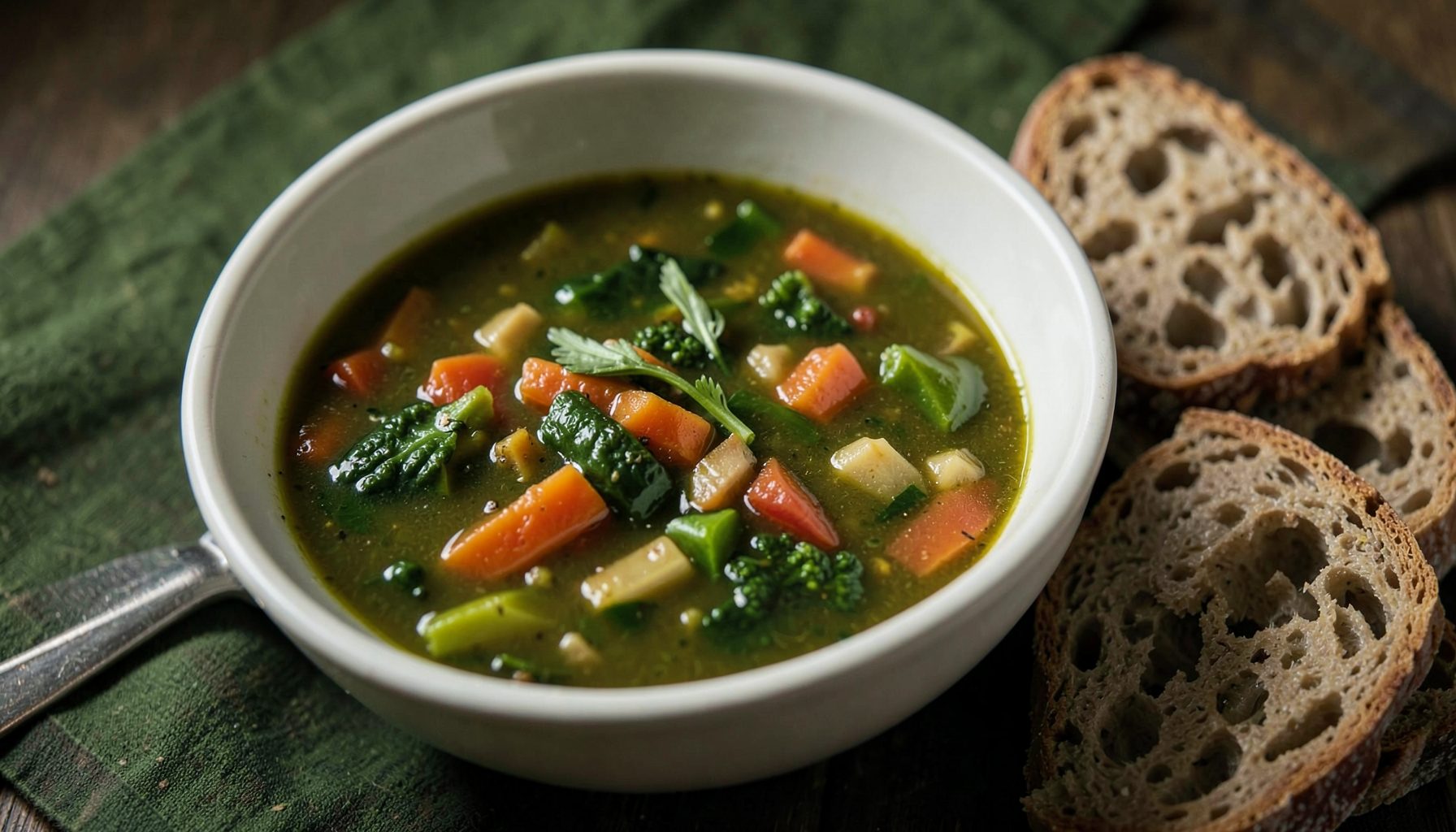
Beans and lentils are another natural pairing. Stir a little of the pickling liquid into a dressing for a grain bowl, then finish with the onions, herbs and toasted seeds. They are particularly good beside the flavours in rustic white bean and sausage stew, where their acidity offsets the hearty beans and sausage while chilli adds a lively edge.
Do not overlook seafood. A few strands work with fish burgers, crumbed fillets, prawns, salmon cakes and tinned tuna. Add them at the last moment so their colour remains bright. For a quick sauce, chop the onions and mix them with Greek yoghurt, parsley and a spoonful of their brine.
Use Every Part of the Batch
The pickling liquid is seasoned and acidic, so it can become part of another dish. Whisk a tablespoon into olive oil for a salad dressing, mix it into a mustard sauce or use it to sharpen a bean salad. Start with a small amount because the liquid is stronger than ordinary vinegar.
Chopped pickled onion also makes a useful base for a relish. Combine it with diced cucumber, coriander, mint and tomato, then serve it with grilled meat or spoon it over a baked potato. Fold it through mashed avocado for a quick dip, or add it to a tuna mixture in place of some of the lemon juice.
When the jar is nearly empty, avoid topping it up with raw onions. A fresh batch needs a fresh brine for predictable flavour and safe storage. Wash the jar thoroughly, prepare new onions and adjust the chilli according to how quickly the previous batch disappeared.
Make It Part of Your Kitchen Rhythm
A small batch takes only a few minutes, which makes it ideal for a weekly kitchen routine. Slice the onions while water boils for pasta or while vegetables roast, then let the jar cool as you finish dinner. By the next morning, the topping is ready for toast, eggs, salads and packed lunches.
Seasonal changes can guide the variations. Add orange peel and fennel seeds in winter, fresh coriander and green chilli in summer, or a little ginger when serving the onions with Asian-inspired bowls. At Australian farmers’ markets, locally grown red onions may vary in sweetness, so taste the brine and adjust the sugar rather than following the proportions rigidly.
The finished pickle should taste lively, balanced and unmistakably oniony. It should wake up a rich meal, add colour to a plain one and offer enough heat to keep each bite interesting. Once the jar becomes part of the refrigerator landscape, finding new uses for it is almost automatic.