
Sweet Corn and Bacon Risotto with Parmesan and Chives
Sweet corn, smoky bacon and Parmesan bring a generous, savoury sweetness to this risotto, while fresh chives keep the bowl tasting bright. It is the sort of dish that feels special enough for guests yet remains practical for a weeknight dinner, especially when the corn is at its plumpest and the weather calls for something warm and comforting.
The method is straightforward, but risotto rewards attention. Arborio or carnaroli rice needs time to release its starch, and the stock should be added gradually so each grain cooks evenly without becoming heavy. The finished texture should be loose and creamy, with rice that still offers a gentle bite.
For Australian cooks, fresh sweetcorn is easy to find at farmers’ markets and supermarkets, with excellent local cobs appearing through summer and into early autumn. Corn from Queensland, New South Wales and Victoria can vary in sweetness, so taste the kernels before cooking and adjust the seasoning accordingly. Good-quality Australian bacon, particularly a meaty middle rasher, gives the dish a deeper flavour than very lean strips.
After two decades in New York City restaurant kitchens, I still love recipes that turn a handful of ordinary ingredients into something memorable. This one draws on that restaurant habit of building flavour in layers, while keeping the process relaxed enough for a home kitchen in Hobart, Adelaide or the Sunshine Coast.
The ingredients that build the flavour
For four generous servings, you will need six rashers of bacon, cut into small pieces; two cups of arborio or carnaroli rice; four ears of sweetcorn; one medium brown onion, finely diced; two garlic cloves, finely chopped; one cup of dry white wine; about 1.25 litres of hot chicken or vegetable stock; 60 grams of butter; 90 grams of finely grated Parmesan; a small handful of chives; and freshly ground black pepper.
If fresh corn is unavailable, use frozen kernels rather than tinned corn. Frozen sweetcorn generally retains a cleaner flavour and firmer texture. Thaw it first and drain away excess water. In Australia, frozen corn is a useful pantry standby between seasons, when imported fresh cobs may be less sweet or more expensive.
A mild, savoury stock is important because bacon and Parmesan already bring salt. Homemade stock is lovely, though a good reduced-salt carton stock works well. Warm it in a saucepan beside the risotto pan; adding cold liquid interrupts the cooking and makes it harder to judge the rice.
The wine does not need to be expensive. Choose a dry white with fresh acidity, such as a sauvignon blanc or pinot gris. A small glass of an Australian wine from the Yarra Valley, Adelaide Hills or Margaret River can work beautifully at the table as well as in the pan.
Preparing the corn and bacon
Strip the corn from the cobs by standing each cob upright in a shallow bowl and slicing downwards with a sharp knife. The bowl catches the kernels, and any milky juice released from the cob adds extra sweetness. Run the back of the knife over the bare cobs afterwards to collect the last creamy scraps.
Place the bacon in a wide, heavy-based sauté pan while the pan is still cold. Set it over medium heat and cook for six to eight minutes, stirring occasionally, until the fat has rendered and the pieces are golden at the edges. Transfer roughly half the bacon to a plate lined with paper towel, leaving the rest and the rendered fat in the pan.
Lower the heat if the bacon begins to catch. Burnt fat will dominate the delicate corn, whereas slowly rendered bacon creates a fragrant base for the onion and rice. If your rashers are particularly lean, add a teaspoon of olive oil before cooking the onion.
Add the onion to the pan and cook for five minutes until soft and translucent. Stir in the garlic for 30 seconds, then add about three-quarters of the corn. Keep the remaining kernels for later so the risotto has a mixture of soft, sweet corn and brighter little pops of texture.
Cooking the rice slowly
Stir the rice into the bacon and onion mixture, coating every grain in the fat. Cook for two minutes, stirring, until the edges of the rice look slightly translucent. Pour in the wine and let it bubble until almost completely absorbed. This brief reduction gives the dish a clean acidity and prevents the finished risotto from tasting flat.
Add one ladleful of hot stock and stir gently. When the rice has absorbed most of the liquid, add another ladleful. Continue in this way for about 18 to 22 minutes, stirring frequently but not constantly. Scrape around the edges and across the base of the pan so the rice cooks evenly.
The exact amount of stock will depend on the rice, pan and heat. Begin tasting after 16 minutes. Properly cooked risotto should be creamy around the grains, but the centre should retain a slight firmness. If the rice is still chalky, continue with another splash of stock rather than turning up the heat.
A wide pan is preferable to a deep saucepan because it allows the stock to evaporate at a steady pace. Keep the mixture at a gentle simmer. Vigorous boiling can break the grains and leave the outside mushy before the centre is tender.
Finishing it with Parmesan and chives
When the rice is nearly ready, stir in the remaining corn and most of the reserved bacon. Cook for two minutes, just long enough to warm the kernels without losing their fresh snap. Remove the pan from the heat and let it stand for one minute.
Beat in the butter and Parmesan, adding a final splash of hot stock if needed. This finishing stage, sometimes called the mantecare, gives the risotto its glossy texture. The mixture should slowly spread when spooned into a bowl, rather than sitting in a firm mound.
Taste before adding salt. Bacon, stock and Parmesan can vary considerably in saltiness, particularly between Australian supermarket brands and small-batch producers. Add black pepper generously, then fold through most of the chopped chives.
Scatter the remaining bacon, chives and a little extra Parmesan over each serving. A fine grating of lemon zest is optional but welcome, particularly if the corn is very sweet. Serve straight away, while the risotto is at its creamiest.
Making the meal feel balanced
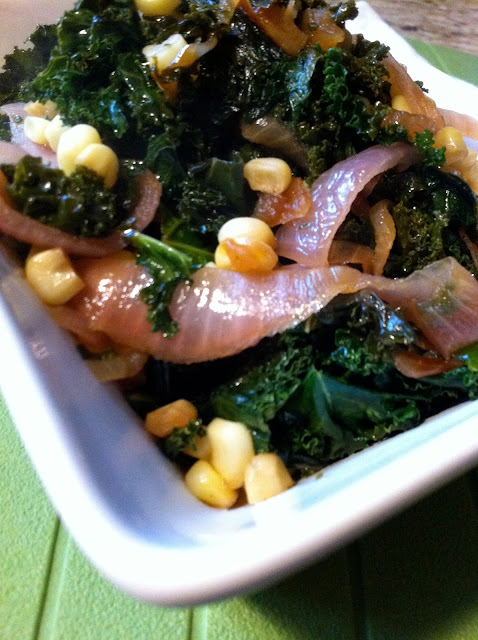
This is a rich main course, so a crisp vegetable side makes the meal feel complete. A platter of rocket, shaved fennel and pear with a sharp lemon dressing would cut through the butter and cheese. You can browse these fresh salad ideas for combinations that suit the season and the rest of your table.
For an Australian summer lunch, serve smaller portions with grilled prawns or roast chicken and a chilled glass of Adelaide Hills sauvignon blanc. In cooler weather, the risotto can stand alone with a simple green salad. It is filling without requiring bread, roast vegetables and several heavy sides.
A dry sparkling wine is another excellent match because its acidity refreshes the palate after each creamy mouthful. If you prefer beer, choose a crisp lager rather than a strongly bitter IPA. The aim is to complement the corn’s sweetness and bacon’s smoke, not compete with them.
Risotto is best served immediately, but leftovers can be transformed rather than reheated as a soft mound. Chill them promptly in a shallow container, then form the cold rice into patties. Fry the patties in a little oil until crisp and golden, adding a small salad for an easy next-day lunch.
Small choices that improve the result
The technique is forgiving once the key details are in place. These practical adjustments are useful when cooking with different rice brands, seasonal corn or the equipment found in a typical home kitchen.
- Use carnaroli for especially creamy results and arborio when you want a slightly softer, more readily available option.
- Reserve a little extra hot stock for the final mixing stage, since Parmesan can tighten the texture quickly.
- Cook the bacon slowly and remove some before finishing so the garnish stays crisp.
- Taste the corn raw before cooking; very sweet kernels need less wine and may benefit from extra black pepper or lemon zest.
- Serve the risotto in warm, shallow bowls so it stays fluid rather than cooling into a dense mound.
Variations for different kitchens
For a meat-free version, replace the bacon with two tablespoons of olive oil and add a teaspoon of smoked paprika or a few finely sliced roasted mushrooms. A vegetable stock made with onion, celery and leek will give the rice enough savoury depth. Parmesan can be retained, or a vegetarian hard cheese can be substituted if required.
Fresh herbs can shift the character of the dish. Chives are delicate and oniony, while basil gives a more summery result and thyme makes it earthier. Fold tender herbs through at the end rather than cooking them for the full time, so their aroma remains fresh.
You can also add a little heat with a pinch of dried chilli or finely sliced fresh jalapeño cooked with the onion. For a more luxurious version, stir through a spoonful of mascarpone with the Parmesan, though this is unnecessary if the rice has been finished properly with butter and stock.
The same patient approach works for other creamy rice dishes. If you enjoy smooth vegetable preparations, the method and texture of this silky cauliflower soup offer useful inspiration for balancing richness with freshness. And when serving a salty, smoky meal, thoughtful seasoning matters from the start; the principles behind salt your steak apply to many ingredients, even when the cooking method is gentler.
This corn and bacon risotto is at its best when treated as a dish with rhythm: render, soften, toast, ladle, taste and finish. Once that sequence becomes familiar, it is easy to adapt the recipe to what is growing locally, what is already in the pantry and what sounds good for dinner.