

A Warming Roasted Carrot and Ginger Soup with Coconut Milk
When the temperature drops across the country and the sun sets well before dinner, a big pot of something nourishing on the stove feels like the right answer. This roasted carrot and ginger soup with coconut milk leans into that feeling, with sweet caramelised roots, the gentle heat of fresh ginger, and creamy coconut milk to round everything out. It is the kind of bowl that invites you to pull up a chair, grab a slice of sourdough, and stay a while. Learn more about Les Erreurs à éviter Quand On Débute En Aromathérapie.
The recipe is forgiving and adaptable, which makes it ideal for cooks working with whatever the local market has on offer. In Sydney or Melbourne, you can pick up a bunch of carrots with the greens still attached and a knob of plump ginger from any farmers market. In regional areas, a quick stop at the local IGA or Woolworths will do the trick, and you can lean on what is in season. Because the soup relies on roasting for depth, you can build a deeply flavourful meal even on a weeknight.
Choosing the Right Carrots and Aromatics
Good carrots are the backbone here, so start with the freshest you can find. In Australia, that often means heading to a farmers market early on a Saturday arvo, before the popular heirloom varieties sell out. Look for firm, brightly coloured roots with smooth skin and a slight weight for their size. If the greens are attached, they should look crisp and not wilted, which is a good sign that the carrots were pulled recently. Standard orange carrots work beautifully, but the purple, yellow, and red heritage varieties from growers in the Adelaide Hills or the Southern Highlands will add visual interest to the finished bowl.
Fresh ginger is non-negotiable in this recipe. Ground ginger has its place, but it does not deliver the bright, peppery warmth that makes a carrot and ginger soup sing. When you are at the market, choose a piece of ginger that feels heavy and tight-skinned, with no soft spots or mould. Australian-grown ginger, often from Queensland, is usually available year-round and tends to have a cleaner, more delicate flavour than the larger imported knobs.
Understanding the role of different botanicals in your cooking can deepen your appreciation of the ingredients you use. If you are curious about working with aromatic plants and want to expand your knowledge, it is worth learning about common aromatherapy pitfalls so your understanding of flavour and fragrance grows alongside your cooking. For the aromatics in this soup, a few supporting players help it shine: a brown onion, two or three garlic cloves, and a small piece of fresh turmeric if you can find it will round out the base. A splash of extra-virgin olive oil from a local producer like Cobram Estate, or a neutral grapeseed oil if you prefer, will help the vegetables caramelise without burning. If you want a bit of background warmth, a small amount of mild curry powder or a pinch of ground cumin can deepen the flavour, though the soup is excellent without them.
The Roasting Process: Building Deep Flavour
Roasting is where the magic happens, and it is worth taking the time to do it properly. Preheat your oven to 200°C, which is roughly 400°F, and line a large baking tray with baking paper. Peel the carrots and cut them on a long diagonal into pieces about two centimetres thick. If you are using heritage carrots of different colours, keep them roughly the same size so they cook evenly. Peel the onion and cut it into thick wedges, and smash the garlic cloves with the flat of a knife so they release their sweetness.
Toss the prepared vegetables on the tray with a generous glug of oil, a teaspoon of sea salt, and a few grinds of black pepper. Spread them out in a single layer, giving each piece a little space. Crowding the pan will steam the vegetables instead of roasting them, and you will miss out on the deep caramelisation that gives this carrot and ginger soup its character. Slide the tray into the oven and roast for thirty-five to forty minutes, stirring once halfway through, until the edges are deeply browned and the centres are completely tender.
While the vegetables roast, prepare the ginger. Peel a thumb-sized piece, about twenty grams, and grate it finely on a microplane. If you have a stick of fresh turmeric the size of your little finger, grate that too. The combination of roasted root vegetables and freshly grated aromatics is what gives the finished soup its layered flavour, so do not be tempted to take shortcuts with pre-minced ginger from a jar.
Building the Soup: Broth, Coconut and Balance
Once the vegetables are roasted, transfer them to a large soup pot. Add the grated ginger and turmeric, and place the pot over medium heat for a minute, stirring gently, so the aromatics wake up and become fragrant. Pour in one litre of good-quality chicken or vegetable stock, scraping the bottom of the roasting tray with a wooden spoon to lift every last bit of caramelised goodness. Bring the mixture to a gentle simmer and let it cook for ten minutes, allowing the flavours to meld.
For cooks who like to think a few steps ahead, a well-stocked pantry makes weeknight cooking far easier. Having a reliable quick dessert sauces reference on hand means you can round out a meal without a last-minute dash to the shops, and it pairs beautifully with a simple soup like this one. Pour in a 400-millilitre tin of full-fat coconut milk and stir to combine. Australian shoppers will find Ayam, Trident, and several store-brand options that work well, just be sure to choose a variety with no added sugars or gums. Simmer the soup for another five minutes, then taste and adjust the seasoning with more salt, a few grinds of pepper, and, if you like a bit of brightness, a small squeeze of lime juice. The acidity lifts the richness and keeps the soup from feeling heavy.
For texture, you have two options. An immersion blender makes quick work of the job and leaves you with a rustic, slightly textured soup that feels hearty. A countertop blender will give you a silkier result, though you will need to work in batches and be careful with the hot liquid. Either way, blend until the soup is smooth and creamy, with no chunks of carrot remaining. If the soup is thicker than you would like, add a splash of stock or water to loosen it.
Serving, Garnishes and Pairings
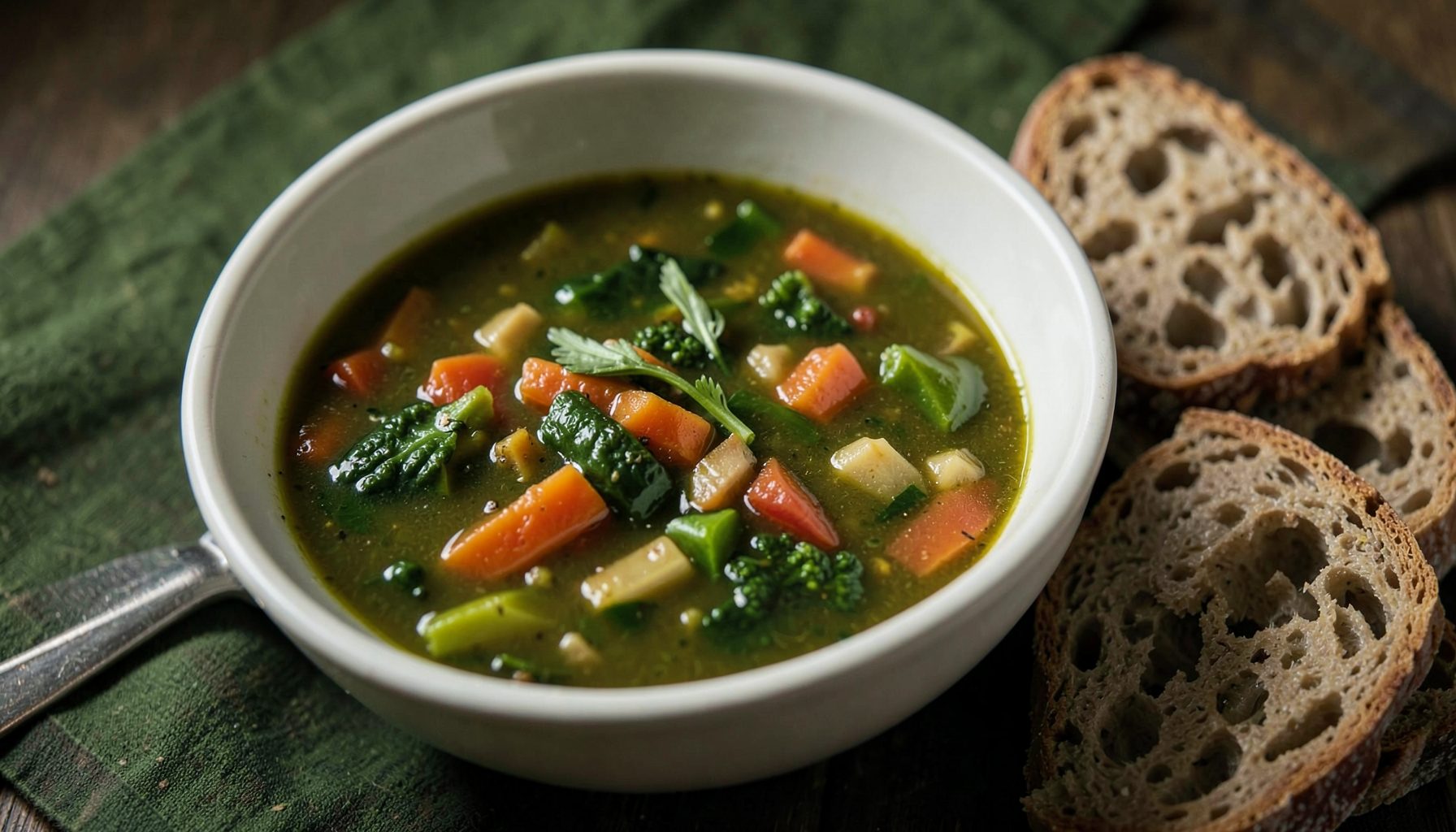
Ladle the soup into warm bowls and finish it with a thoughtful garnish. A swirl of coconut milk, a scatter of chopped chives or coriander, and a few toasted pumpkin seeds or slivered almonds add colour and texture. A small spoonful of chilli oil or a pinch of dried chilli flakes will bring gentle heat if you like things spicy. Serve with thick slices of toasted sourdough, a simple green salad, or a wedge of grilled flatbread.
In the warmer months, this soup is lovely served slightly chilled or at room temperature, paired with a crisp glass of sauvignon blanc from Margaret River or a dry riesling from the Clare Valley. In winter, which runs from June through August across most of Australia, it pairs beautifully with a toasty glass of chardonnay or a malbec from the Barossa. For a non-alcoholic option, a tall glass of sparkling water with a slice of lime and a sprig of mint makes a refreshing counterpoint to the richness of the soup.
This is also a wonderful recipe to serve as a starter for a dinner party, where you want something elegant but not fussy. The bright colour and silky texture make it feel special, even though it comes together with very little effort. If you are planning a longer menu, a bowl of this soup sets up beautifully before a main course of roasted fish or a hearty grain salad, and you can follow it with a light dessert to keep the meal balanced. A lovely option for a casual weekend is to make a big batch on Saturday and enjoy the leftovers with a slow morning the next day, where a Bloody Mary guide can help you ease into the day properly.
Variations and Make-Ahead Tips
One of the best things about a soup like this is how easily it adapts to what you have on hand. Swap half the carrots for sweet potato or pumpkin, which are abundant in Australian markets through the cooler months, for a slightly sweeter, more autumnal version. Add a peeled and chopped apple along with the carrots for a touch of fruity brightness. If you like a bit of protein, stir in a cup of red lentils with the stock, and you will end up with a heartier soup that needs nothing more than a slice of bread to make a complete meal.
The soup keeps well in the fridge for up to four days, stored in a sealed container. It also freezes beautifully, so it is worth making a double batch when you have the oven on. Cool the soup completely before transferring it to freezer-safe containers or zip-lock bags, leaving a little room at the top for expansion. Thaw it overnight in the fridge and reheat gently on the stove, adding a splash of water or stock to loosen it if needed.
When reheating, taste and adjust the seasoning, as the flavours can mellow a little after a day or two. A fresh squeeze of lime, a new scatter of herbs, and a drizzle of good olive oil will bring everything back to life. The garnishes are best added just before serving, so keep them separate until the moment you ladle the soup into bowls. For more inspiration on building a thoughtful, well-rounded kitchen, take a look at the wide range of recipes and ideas at the Ilusual site, which is a lovely resource for home cooks who want to keep learning.
| Vegetable | Best Cut | Roasting Time | Flavour Profile |
|---|---|---|---|
| Orange carrots | 2 cm diagonal slices | 35–40 minutes | Sweet, classic, caramel-rich |
| Purple carrots | 2 cm diagonal slices | 35–40 minutes | Earthy, slightly peppery |
| Sweet potato | 3 cm cubes | 30–35 minutes | Sweet, creamy, mellow |
| Pumpkin (kent or jap) | 3 cm cubes | 30–35 minutes | Rich, nutty, autumnal |
| Parsnip | 2 cm diagonal slices | 35–40 minutes | Sweet, woody, warming |