
Bia’s guide to spring alliums: ramps, scallions and leeks
Spring alliums bring three distinct flavours to the kitchen: ramps contribute mild garlic and earth, scallions add a fresh onion bite, and leeks become sweet and savoury when slowly cooked. In Australia, their prime growing period falls from September to November, although the southern hemisphere timetable means availability varies considerably between climates.
This is Bia’s guide to cooking with seasonal spring alliums, shaped by restaurant technique, family food traditions and the practical realities of an Australian garden. Treat each allium on its own terms, buy it as close to cooking time as possible, and use good ingredients with restraint. The result should reflect the season rather than disguise it.
Knowing your spring alliums
Ramps, sometimes called wild leek, have broad green leaves, slender stems and a flavour between garlic and spring onion. They are delicate, with tender leaves that bruise easily. Scallions are sold in Australia as spring onions or green onions, usually in bunches with small white bulbs and long hollow tops. Leeks have tightly layered leaves, a cylindrical white stalk and a dark green crown.
Freshness matters more here than perfect uniformity. Ramps should have limp but living leaves, scallions should have crisp white bases and bright green tops, and leeks should feel heavy for their size. Avoid ramps with blackened edges, scallions with rubbery stems and leeks with soft, splitting centres. A small amount of surface soil on leeks is normal and can be removed after washing.
The cooking window differs across the group. Ramps lose their delicate character under prolonged heat, so add them near the end of a dish. Scallion whites can be cooked gently, while the green tops make excellent finishing herbs. Leeks tolerate slow cooking and develop deep sweetness when their fibres have time to soften.
Shopping at Australian markets
Melbourne’s Queen Victoria Market and Sydney’s Pyrmont Growers Market are good places to compare spring alliums across different stalls. Look for bunches with clean roots and vivid tops rather than large, waterlogged bundles. Victorian growers often offer the strongest leek supply in cool, wet weather, while Sydney’s milder climate can make ramps scarce but keeps scallions available for much of the year.
Market terminology can be confusing. What a greengrocer calls a bunch of spring onions may be labelled scallions, green onions or shallot greens on another stall. These are usually interchangeable in Australian kitchens, provided the bulbs are small and the stalks are tender. True leeks are longer and thicker, while ramps are sold only by specialist growers or in limited seasonal quantities.
Brisbane’s subtropical conditions also influence what is available. Green onions may appear year-round, although their flavour is often strongest during the cooler, drier months. Fresh leeks remain accessible, and ramps generally need specialist sourcing rather than an open-market browse. Use Australian metric measurements in your cooking: a medium leek is roughly 200 grams trimmed, and a bunch of scallions commonly weighs 150 to 200 grams.
Handling ramps with care
Ramps often arrive with a little soil around the roots. Lift it away gently, separate the roots from the leaves and rinse only what is needed. Pat the leaves dry with a clean cloth, then use them immediately. Soaking can leave them watery, and harsh brushing may damage their tender surfaces.
Their flavour is strongest when the leaves are briefly warmed in butter or olive oil. Add them to scrambled eggs, folded through fresh pasta or scattered over white beans near the end of cooking. A splash of cream, grated parmesan and black pepper turns ramp leaves into a simple pasta sauce. For a richer version, blend the leaves with parsley, lemon zest and a little oil, then spoon the mixture over roast potatoes.
Ramps also work in flavour combinations that benefit from their sweet, restrained garlic. Try them with baked fish, poached chicken, mushrooms or soft cheese. Their stronger cousins, ramsons, are not suitable substitutes because their flavour is much more assertive. Serve ramps within a day of purchase if possible, storing the stems upright in a small glass with a little water in the refrigerator.
Using scallions from root to tip
Separate the white bases from the green tops before washing the scallions. Slice the whites thinly for soups, stir-fries and sauces; use the hollow greens raw in salads or as a final garnish. Keeping the two parts together wastes their contrasting qualities, especially in a dish that combines gentle cooking with fresh finishing.
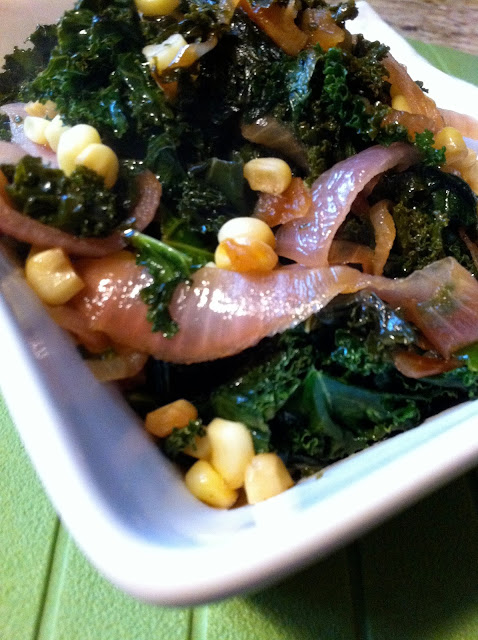
The white sections can be sweated with butter, garlic and a splash of stock until softened. Add them to a bean stew, spoon them over baked potatoes or blend them into a cream sauce. Green tops stirred through hot rice, noodles or scrambled eggs add aroma without overwhelming the main ingredient. At an Australian barbecue, finely sliced scallions work well with grilled meat, corn and charred flatbreads.
Scallion-led cooking is central to many Asian cuisines, and cooking notes from India show how generously the green onion can be used in curries, dals and fried accompaniments. Australian home cooks can borrow that approach by adding a handful at two stages: cook some whites with the aromatics, then finish with fresh greens. Refrigerate unused scallions in a sealed container for up to a week.
Bringing out the sweetness of leeks
Leeks need careful washing because soil can lodge between their layers. Trim the roots, cut away any tough outer leaves, slice lengthwise and run them under cold water. Separate the pieces gently to expose the grooves, then dry them thoroughly before cooking. A useful alternative is to blanch whole leeks briefly, which loosens trapped grit before further preparation.
For the deepest flavour, sweat sliced leeks slowly in butter or olive oil until they collapse and turn sweet. This can take 15 to 20 minutes, considerably longer than the time needed for scallions. Add stock, beans or stock; the liquid softens the fibres and carries their flavour through the dish. Leeks also roast well, particularly when cut into thick lengths and charred at the edges.
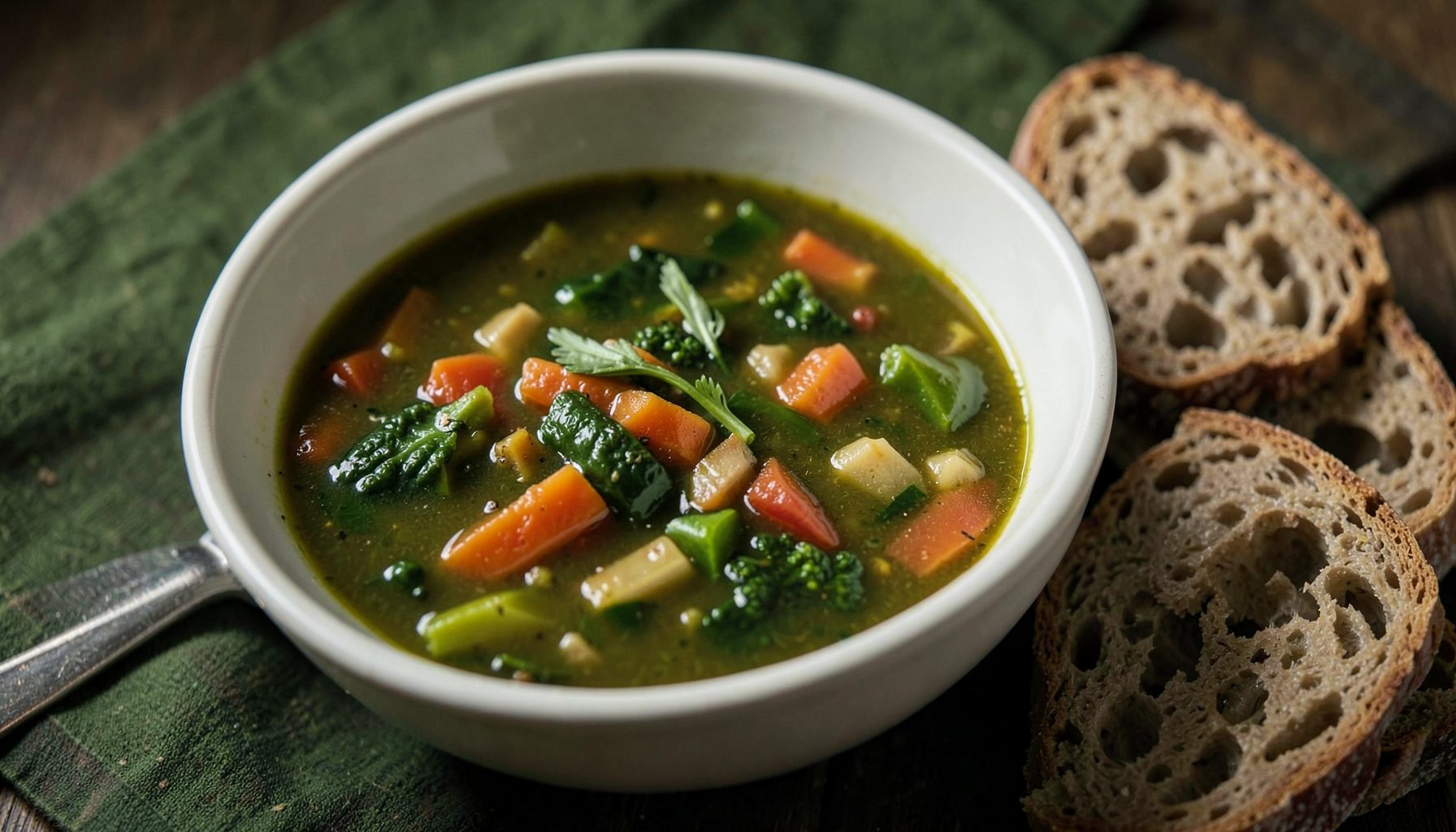
A patient approach to layering savoury flavours is demonstrated in rustic white bean stew, where ingredients build depth gradually rather than arriving as a single heavy mixture. The same principle works with leeks, white beans and browned sausages. Simmer the dish until the leeks lose all trace of rawness, then finish with parsley, lemon juice and freshly ground pepper.
Choosing the right cooking method
Preparation determines how much of each allium’s character remains. Slice ramps into delicate ribbons, chop scallion whites into small rounds and cut leeks into slim half-moons for soups. For a composed plate, leave the leeks in larger pieces. Their shape gives the dish texture and makes the transition from crisp exterior to tender centre more apparent.
Heat should match the ingredient. Ramps benefit from brief cooking or brief contact with hot oil. Scallion greens need almost no heat, while their white bases can tolerate a gentle sauté. Leeks welcome slow cooking, roasting or grilling. Trying to cook all three at the same intensity either burns the ramps or leaves the leeks bland.
Dressings should reinforce rather than bury the alliums. Lemon, olive oil and parsley suit ramps; rice vinegar, ginger and sesame oil sharpen scallions; mustard, cream or mild stock complement leeks. Australian chardonnay works with creamy leek dishes, riesling handles ramp and scallion flavours, and sauvignon Blanc suits dishes with plenty of green onion. For a richer plate, seared scallions and leeks can accompany roast lamb.
Build flavour in a deliberate order: soften the tougher allium first, add the main protein or grains, then finish with the freshest component. This method keeps a bowl of beans bright, a roasted leek deeply sweet and a handful of ramps recognisable. It also reflects the economical, vegetable-conscious cooking that works naturally in Australian kitchens.
Storing, serving and growing your harvest
Store scallions upright in a jar or glass in the refrigerator, adding enough water to cover the white bases without submerging the leaves. Leeks keep well when wrapped loosely in a clean cloth or stored in a perforated bag. Ramps are best used quickly; trim the roots and place the leaves in a damp towel inside a lidded container, although they may still soften within a day or two.
The restrained sweetness of caramelised ramps can move into a dessert course, and Bia’s seasonal dessert ideas provide a fitting finale to a savoury meal. A small spoonful of ramp jam over vanilla ice cream is less sweet than a fruit preserve and works well with oat biscuits. Honey, lemon and thyme soften the edge, while a pinch of flaky salt keeps the allium flavour clear.
Home growers can plant leeks and scallions through much of Australia, choosing varieties suited to their rainfall and temperature. Cooler gardens around Melbourne, Tasmania and inland NSW often produce the finest leeks, while warmer subtropical gardens can maintain a steady crop of scallions. Enrich the soil with compost, keep it evenly moist and protect young plants from greedy pests. Easter tables often feature spring lamb in Australia, making grilled leeks a seasonal accompaniment from September onwards, while winter crops mature as the weather warms. Plant succession, harvest the outer leaves and leave the crowns growing for a continuous supply through spring.