



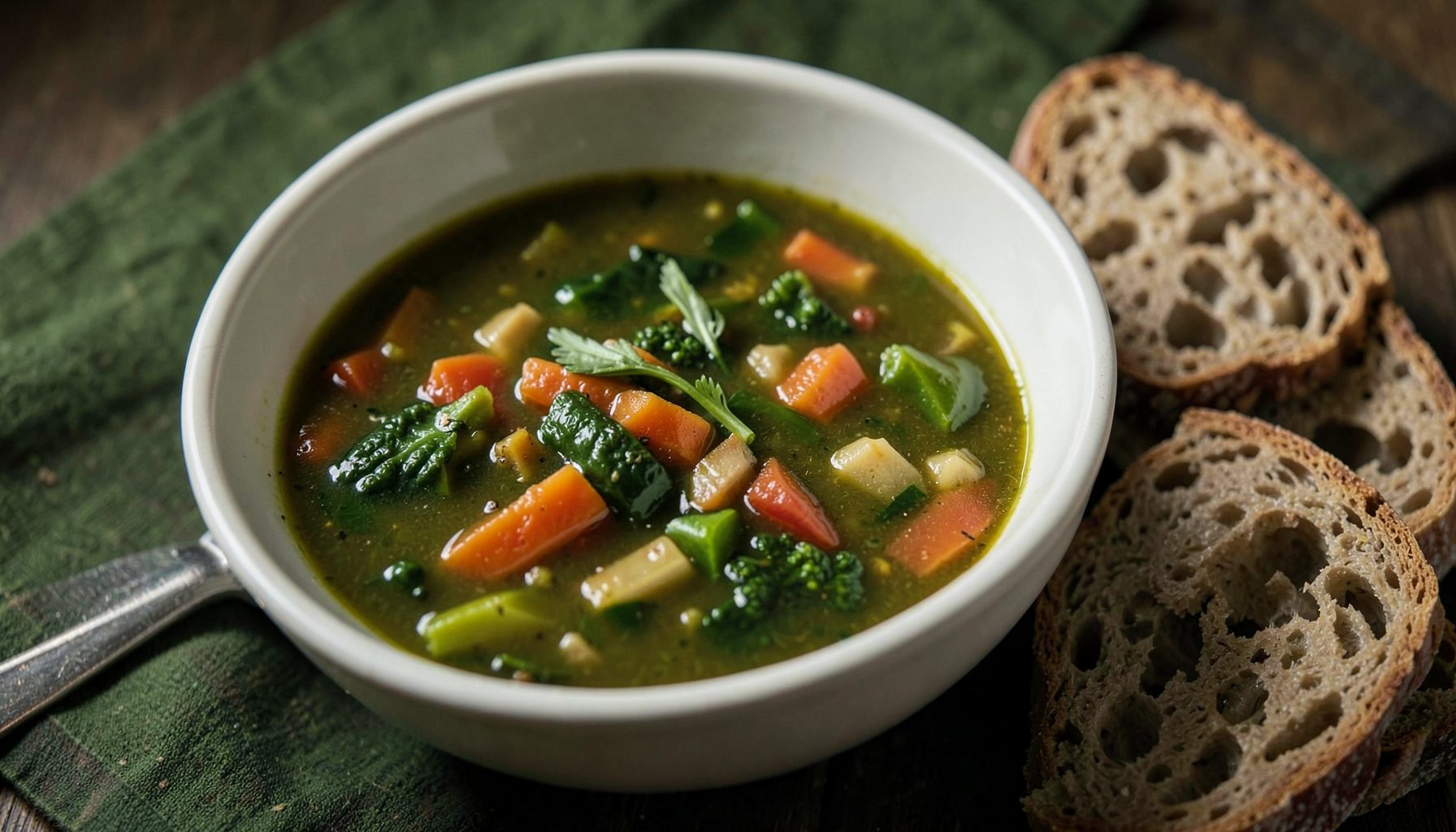
Butternut squash and apple soup with cinnamon and nutmeg
Autumn arrives in Australia during March, April and May, when cooler evenings make a warming soup especially welcome. Butternut squash and apples come into their best season then, bringing honeyed squash and sharp fruit to the table. The combination of buttery squash, tender apple and warmly spiced stock feels both substantial and bright, a useful lesson in balancing sweetness with enough acid and salt. It is also the sort of dish that smells as good as it tastes, especially if the spices are toasted before they meet the broth.
Roasting the squash and apples first concentrates their flavour and gives the finished soup a rounded depth that plain simmering sometimes misses. A splash of cream softens the warm spices, while a little cider vinegar stops the apple from making the bowl taste flat. The method below yields about six to eight generous servings, enough for a cool Sunday lunch or a relaxed dinner when guests arrive and everyone wants something warming in hand.
Gather ingredients with the season in mind
Buy about 1.2 kg of butternut squash, often labelled butternut pumpkin in Australian supermarkets, and two firm apples. A Granny Smith gives the soup welcome sharpness, while a Braeburn or similar sweet-tart apple balances the squash. You will also need one brown onion, two garlic cloves, butter and olive oil, approximately 1.2 litres of light vegetable stock, and 200 millilitres of cream or coconut milk. Keep flaky salt, black pepper and cider vinegar nearby for the final seasoning.
The aromatic blend is simple: ground cinnamon, freshly grated nutmeg, a small pinch of cloves and a little ground ginger. Together, these warm spices deepen the squash without masking the apple, which is especially important in a generous bowl. Toast the spices briefly in fat before adding liquid, as they need a little time to release their aroma. Toasted walnuts or pumpkin seeds make a useful garnish, and chopped parsley or chives bring a clean green note.
At Sydney’s Pyrmont and Rozelle farmers markets, or among the produce stalls at Melbourne’s Queen Victoria Market, seasonal fruit usually looks especially inviting. Choose firm apples without soft patches and select squash that feels heavy for its size. Local apples can be excellent here, although the same method works with any crisp orchard or supermarket variety. I also enjoy browsing coles corner creations when planning a market-inspired meal and looking for another way to use seasonal produce.
Build the soup in layers
Heat the oven to 200°C conventional or 180°C fan-forced. Peel the squash, core the apples and cut everything into roughly 2.5-centimetre cubes. Toss the pieces with a tablespoon of olive oil and a pinch of salt, then roast them on a large lined tray for 30 to 35 minutes. The edges should colour lightly, especially on the squash, while the apple remains juicy. Turn the tray once if the pieces brown unevenly, and avoid overcrowding the pan since trapped steam will prevent caramelisation.
Meanwhile, melt 30 g of butter with a little more olive oil in a heavy saucepan over medium-low heat. Add the sliced brown onion and cook gently for 8 to 10 minutes until soft and golden at the edges. Stir in the garlic, cinnamon, nutmeg, cloves and ginger, then cook for 30 seconds, just long enough to perfume the fat without scorching it. Add the roasted squash and apple, pour in the stock and bring the mixture to a gentle simmer. Cook for 15 minutes so the flavours settle together.
For a silkier result and extra protein, add about 200 g of drained white beans and blend them with the soup. If you start with dried beans, the creamy bean method covers soaking times and gentle cooking for reliably tender legumes. Save some cooking liquid for adjusting the soup if it becomes thicker than you like. White beans have a mild flavour that disappears into the squash while adding a soft, creamy body.
Blend the soup to your preferred finish
Use an immersion blender directly in the saucepan for an easy purée, keeping the blade submerged and moving it slowly around the pot to catch every piece. For the silkiest result, transfer half the soup to a blender in two batches, vent the lid and begin at low speed because hot liquid expands forcefully. A blender is unnecessary if you prefer a gently rustic texture, and leaving a little of the squash intact can make the soup feel more substantial.
Return the blended soup to the pot and stir in the cream or coconut milk over low heat. Add 1 to 2 teaspoons of cider vinegar, tasting as you go, then season with salt and pepper. The vinegar should sharpen the flavour without making the dish taste sharply cider-like; a few drops can make all the difference between a flat bowl and a lively one. If the soup needs more body, add another splash of stock rather than more cream.
For a velvety restaurant-style finish, pass the soup through a fine sieve after blending, pressing the solids through with the back of a ladle. This extra step removes fibrous pieces from the squash and gives the bowl a glossy surface. Keep a ladleful of the strained broth nearby so you can loosen the soup after adding the garnish, especially if it has continued to thicken while resting.
Adjust the recipe to suit your table
A spoonful of curry powder added with the aromatics shifts the soup towards a gently spiced curry without overwhelming the cinnamon and nutmeg. One teaspoon of smoked paprika or a pinch of chilli flakes can add warmth and depth, while a few sage leaves stirred in near the end bring an earthy note. For a sharper profile, use a second Granny Smith apple and reduce the cider vinegar slightly. The amount of stock can also be adjusted to suit the size of your saucepan.
For a dairy-free version, use olive oil instead of butter and coconut milk instead of cream, then check the seasoning again because coconut can be sweeter than dairy. A tin of chickpeas may be added for a heartier lunch, and the soup keeps well if it is made a day ahead. Cool it quickly before refrigerating, and use it within three or four days for the freshest flavour. Reheat only the amount you need, with a little extra stock if it has thickened in the refrigerator.
For another bowl with slow-simmered depth, the cozy lentil soup pairs carrots, celery and ham with a similarly comforting profile. It is a good example of how simple pantry ingredients become a substantial meal when they are treated with patience and a balanced stock. Serve either soup on a rainy weeknight, or add a green salad and crusty bread when the weather clears.
Serve it in the Australian kitchen
Ladle the soup into broad, shallow bowls so the surface can hold the garnish. A spoonful of sour cream or crème fraîche, chopped chives and a scatter of toasted pumpkin seeds give it polish, while a drizzle of olive oil adds a soft sheen. Warm crusty sourdough or a slice of damper makes a satisfying lunch, especially on a wet winter afternoon. The same soup also works at a relaxed winter barbecue when guests want a hot starter before the grill.
Pour a small glass of dry Riesling alongside the bowl rather than a heavy red; the wine’s acidity echoes the cider vinegar and cuts through the cream. Sparkling wine from Tasmania is another good match because its bubbles refresh the palate between bites. For a casual lunch, an Australian dry riesling or sparkling wine works beautifully with the soup’s warm spices, while a hot mug of soup pairs just as well with coffee when the afternoon turns wintry.
For a more composed meal, the soup accompaniments section offers ideas for breads, salads and dressings that suit the sweet-spiced broth. Keep the garnish simple so those extras have room to shine. Any leftovers should be cooled promptly and refrigerated; reheat gently on the stove with a splash of stock if the soup has thickened. By the next day, the apple and warm spices taste even more settled, although a fresh spoonful of cream stirred in just before serving restores its soft texture.