
A gingerbread layer cake with cream cheese frosting
Two decades behind restaurant stoves taught me that memorable cakes rarely depend on one loud trick. This gingerbread layer cake with cream cheese frosting is a case in point: deep syrup notes, warm spice and a tangy, cool finish. The layers should be plush but sturdy enough for frosting, while the icing stays soft enough to sweep over the sides without pulling up crumbs.
I built this version for a relaxed Sunday meal, not a patisserie production. A short ingredient list and three familiar tins keep the method approachable. It can also be assembled in advance, which makes it practical for a birthday, a community bake sale or the generous pleasure of cake and coffee in the afternoon.
Ginger does more than add heat here; it gives the crumb a sweet, almost citrusy perfume. Queensland, particularly the Bundaberg district, grows excellent fresh ginger, though drying it concentrates the flavour more usefully for baking. At Coles and Woolworths, plain flour, golden syrup and full-fat cream cheese are easy to find, so a pantry trip is enough to begin.
Why the layers stay moist
Moisture comes from several places: golden syrup, brown sugar, buttermilk and a final measure of boiling water. The water loosens the batter so the finished crumb does not turn dry, while the syrup and butter keep it tender. It is a useful contrast with a sponge cake, which relies more on trapped air. Here, a moderate mixing method and a full oven are more valuable than beating the batter for a long time.
Spiced honey cakes have cousins throughout Europe, and the collection of Ukrainian honey cakes offers a revealing point of comparison. Their honey, spice and patient baking echo the same balance found here. The lesson is not to copy another country's cake, but to appreciate how dark sweeteners can flavour a crumb without making it heavy or sticky after frosting.
Choose a dark molasses treacle for the strongest result; the golden syrup sold in Australian supermarkets produces a sweeter, more vanilla-leaning cake. Either works. A dark, moist slice is especially good with tangy icing. Avoid substituting a ginger syrup spread, which contains extra water and sugar and can make the layers bake unevenly. If the syrup is thick and sticky, stand the measuring jug in a bowl of hot water before pouring.
Mixing the cake with restraint
Start with 220g unsalted butter at room temperature and 200g light brown sugar. Beat them until smooth, then whisk in two eggs, a teaspoon of vanilla, 150mL golden syrup or dark treacle and 120mL buttermilk. In another bowl, combine 240g plain flour, two teaspoons ground ginger, one teaspoon cinnamon, half a teaspoon ground cloves, half a teaspoon bicarbonate of soda and half a teaspoon salt. These metric weights suit Australian kitchens, where scales are more common than cup measures.
The timing principle in a creamy pasta carbonara is a good one for any cook who works with dairy: keep the rich component away from fierce heat so it stays smooth. In this cake, the eggs set in the oven and buttermilk tenderises the crumb. Add them fully, mix just until no dry flour remains, then let the hot water do the final tenderising during baking.
Fold the wet mixture into the butter and sugar in three additions, alternating with the dry ingredients. Scrape the bowl and use a light hand; overmixing develops gluten and produces a tighter, tougher crumb than you want between two layers of frosting. Stir in 100mL boiling water at the very end. The batter will look thinner than a usual cake batter, but it should settle into a dark, glossy mixture that spreads evenly in the tin.
Divide the batter among three greased and lined 20cm round tins and bake at 160°C conventional or 150°C fan-forced for 28 to 34 minutes. Start checking at 25 minutes; a skewer inserted in the centre should come out with a few moist crumbs, never wet batter. Let each tin stand for ten minutes, then turn out onto a rack. Cool completely before attempting to frost, because even slight warmth will soften the cream cheese and expose fresh crumbs.
Frosting the cake cleanly
For the frosting, beat 225g full-fat cream cheese with 100g softened butter until completely smooth. Add 450g icing sugar, one teaspoon vanilla and a small pinch of salt, then beat until light. Add milk or cream a teaspoon at a time until the icing is glossy and spreadable. If it sits in a soft ridge rather than slumping, chill it briefly; if it tears the cake while spreading, it is too firm and needs another teaspoon of liquid.
Frosting a tall layer cake is easier in two stages. First, spread a thin crumb coat over the cooled layers, sealing the loose edges. Chill for 20 to 30 minutes, then add the remaining icing to the top and sides. Sweep the surface with a long offset spatula, using the edge of the cake as a guide for neat vertical strokes. A final light dusting of icing sugar softens the look without hiding the handmade texture.
For an airy European note, Treangeli Malta’s selection of Mediterranean festive sweets can inspire a citrus or almond variation. Add the zest of half a lemon to the cream cheese, or fold in a tablespoon of finely ground toasted almonds. Both flavours sit comfortably beside ginger. Keep the base recipe unchanged, however, because its restrained sweetness gives the stronger spices somewhere to land.
Serving ideas for an Australian table
Serve the cake in generous but manageable slices, especially if the frosting is soft. A whole cake works well at a bring-and-bake, where neighbours expect something portable and generous, while a smaller version suits an arvo tea with coffee. Chilled coffee is especially good against the warm spice, and a few roasted nuts or shards of dark chocolate on each plate add contrast without requiring another elaborate recipe.
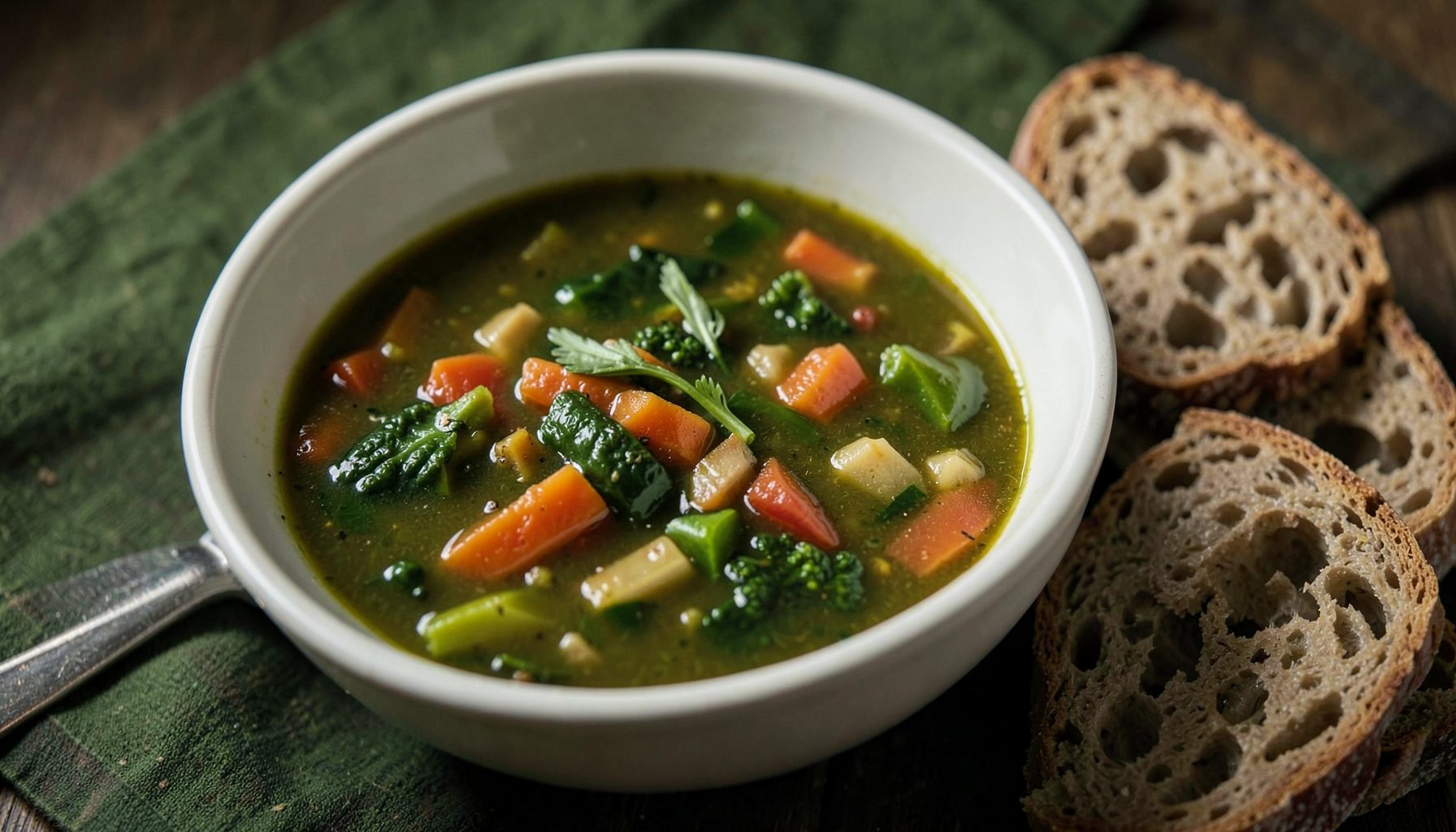
For a savoury counterpoint, a cucumber and dill soup served chilled is refreshing beside a wedge of the cake. Its clean herb flavour and cool texture temper the cream cheese, much as a sharp salad or quick pickle would. Serve the soup in small bowls first, then bring out the cake so the contrast feels intentional rather than accidental.
A little plate of fresh fruit is another simple accompaniment, particularly mandarin, apple or poached pear. These fruits echo ginger's light citrus note and cut through the frosting without masking it. I would avoid heavy caramel sauce or a very sweet compote, since the cake already carries golden syrup, brown sugar and spice; a restrained garnish keeps every forkful balanced.
Practical baking recommendations
The final flourish can suit the occasion, from a children's party to a cooler gathering. Cream cheese frosting remains the anchor, but small changes in liquid, flavouring or setting time create noticeably different results. Compare the finishes below before deciding, and use the one that matches the serving temperature and the company you expect.
| Finish | Texture | Flavour | Best setting |
|---|---|---|---|
| Classic cream cheese icing | Soft and spreadable | Tangy, rich and vanilla-led | Layered celebrations |
| Citrus cream cheese icing | Silky and light | Bright with lemon or orange | Afternoon tea |
| Chocolate-cream icing | Glossy and firm | Sweet with cocoa depth | Children's parties |
| Ginger-honey icing | Smooth and glossy | Warm, malty and aromatic | Cooler-weather gatherings |
Classic cream cheese icing is the most versatile and the easiest to judge by feel. Citrus icing tastes brighter and is lovely with coffee, while chocolate or ginger-honey versions feel more elaborate. When in doubt, make the classic finish, chill it properly and give the finished cake a short rest before slicing. Good frosting should hold its marks while still yielding gently to the spoon.
- Weigh the flour and icing sugar instead of scooping them, and sift the dry ingredients if the flour has been stored in a warm cupboard.
- Use room-temperature eggs and butter for the batter, but chill the baked layers fully before frosting.
- Test each layer at 25 minutes and again a few minutes later; moist crumbs are the sign of a damp centre.
- Keep the frosted cake refrigerated at 5°C or below, and return it to the refrigerator within two hours in warm weather.
- Clean the knife between slices so every piece shows the dark crumb, pale frosting and clean horizontal layers.
The cake keeps well covered in the refrigerator for up to three days, although the crumb becomes even more tender overnight. Before serving, take it out for about 30 minutes in mild weather, or 15 minutes if the room is warm. A clean knife and a final minute of chilling are enough to make the slices neat, while the flavour remains generous rather than sharply sweet.