
A Spicy Mango And Habanero Hot Sauce For Everything
After two decades in New York restaurant kitchens, I still believe the best hot sauce begins with produce that deserves attention. A spicy mango and habanero hot sauce for everything should taste like ripe fruit first, then warm up gradually: bright mango, clean chilli heat, a little acidity and enough salt to keep every spoonful lively. This recipe makes about 450 millilitres, enough for a generous table setting or a batch of homemade gifts, without turning the kitchen into a preserve factory.
The balance matters because mango can make a thin sauce taste sleepy, while undiluted habanero can bury everything else. Cider vinegar and lime supply lift; a measured amount of sugar rounds the chilli without turning the condiment into dessert. I use grams, millilitres and Australian Celsius conventions here, so the recipe fits naturally into home kitchens. Serve it chilled, but let the sauce come closer to room temperature before tasting, because cold food suppresses aroma and makes the heat seem harsher than it really is.
Choosing Fruit And Building Flavour
A dependable formula starts with 500 grams peeled mango flesh, roughly two ripe but firm mangoes. Add one small red capsicum, about 120 grams, for colour and a mild, sweet base; one garlic clove; one or two red habaneros, 10 to 15 grams total; 60 millilitres cider vinegar; one tablespoon lime juice; one tablespoon light olive oil; one teaspoon caster sugar; half a teaspoon fine sea salt; and 60 millilitres water. Smoked paprika is optional, not essential. The capsicum and vinegar make the sauce more stable on a cheeseboard or hot platter, while the lime keeps the mango tasting fresh rather than merely sweet.
Shopping is easiest when Australian mango season is on your side. Northern Queensland trees can crop from late spring, while southern markets see the heaviest offerings through January and February. Woolworths and Coles will reliably carry ripe mangoes and capsicums, but fresh habaneros can be scarce or inconsistent, so check a specialist grocer, a produce stall or your nearest Asian grocery. Choose a mango that yields to gentle pressure but still holds its shape when diced. If you are cooking for a crowd, the recipe index is handy for balancing this sauce with the rest of the meal.
Preparing The Mango And Chilli
Peel the mangoes close to the stone, then cut the flesh into even 1-centimetre dice. Keeping the pieces fairly uniform helps them soften at the same rate and gives the finished sauce a more controlled texture. Remove the capsicum core and seeds, then dice the flesh finely. For the habanero, slice lengthways, scrape out the pale seeds if you want less fire, and mince the inner white ribs and flesh together. The ribs carry plenty of flavour, even when their aggressive heat is gone.
Warm the olive oil in a small saucepan over medium-low heat. Add the garlic and capsicum and cook for two minutes, stirring, until the capsicum loses its raw edge. Add the habanero for only 30 seconds; it does not need to cook long at this stage. For another perspective on balancing fresh chilli with sweet produce, this chilli preparation guide is useful background before you adjust the proportions. Toast the spices briefly in the warm oil if you are using smoked paprika, then move straight on to the fruit.
Cooking And Blending The Sauce
Add the diced mango, vinegar, lime juice, sugar, salt, optional paprika and water to the saucepan. Bring the mixture just to a simmer, then lower the heat and cook for eight to ten minutes, stirring occasionally. A very ripe mango may need only five minutes; a firmer one may want another two. Press a few pieces against the side of the pan with the back of a spoon. The goal is a rough, spoonable sauce, not a smooth purée, and preserving some small pieces gives the finished condiment a generous, fruit-forward body.
Blend half the mixture if you want more body, or all of it if the sauce will be used as a dip. An immersion blender left in the pan is the easiest method, while a countertop blender gives a silkier result but requires careful blending in small batches. Taste only once the sauce has cooled for a minute. If it seems flat, add a squeeze of lime or a pinch of salt; if the sweetness is heavy, a splash of vinegar will restore balance. The heat should arrive after the mango aroma rather than announce itself at once.
Storing The Sauce And Planning Meals
Transfer the cooled sauce to clean, sterilised screw-top jars and keep it in the refrigerator at 5°C or below. This is a refrigerated hot sauce, not a tested shelf-stable preserve, so do not rely on the screw lid alone for pantry storage. Used with clean utensils, it should keep for about two weeks, though a darker colour and deeper flavour often develop sooner. For longer storage, freeze portions in small containers with a little headspace, then thaw them in the fridge. Shake the jar before every use, as mango-based sauces often separate.
Date each jar and include the ingredients, especially the chilli and any honey-based variation, on a simple label. When planning what to serve with it, these weeknight dinner ideas make it easy to build a full plate around a spoonful of sauce. Small jars also suit a produce market stall at Adelaide Central Market or a neighbourhood gift table, where shoppers often welcome a vivid, homemade condiment with clear storage instructions. Give the jar a little breathing room in the fridge; mango sauce is thick, and a crowded shelf can make the lid difficult to clean.
Adjusting Heat And Dietary Styles
Heat is easiest to manage before the chilli goes into the pot. Begin with one 10-gram habanero, taste the finished sauce, then add the second if needed. Removing the seeds and ribs produces a cleaner, fruitier warmth, while leaving them in gives a more insistent burn. Scotch bonnets can be used in place of habaneros, but they are often hotter and more aromatic, so reduce the quantity. For a shared table, one chopped red capsicum can absorb some of the perceived fire. For a dedicated heat lover, serve the sauce in a separate small bowl.
The base recipe is vegan as written, using caster sugar rather than honey. Swap in maple syrup if you prefer a deeper sweetness, and add a grated teaspoon of fresh ginger when the sauce goes onto eggs or grilled vegetables. For more plant-based combinations to try alongside it, the plant-based kitchen ideas offer plenty of useful direction. You can also char the mango pieces briefly before simmering, add a pinch of ground coriander at the end, or replace half the mango with finely diced pineapple. Each change shifts the sauce while keeping mango and habanero as its clear centre.
Serving It Across Australian Tables
In Australia, this sauce can move easily from an arvo brunch to a weekend barbie. Spoon it over eggs on sourdough toast, fold it into a cheese toastie, or set it beside grilled prawns, steak sandwiches, dampers and roast pumpkin. It also cuts through the fat of a meat pie and brings welcome colour to a pale cheeseboard. A cold lager from the bottle shop softens the heat, while a chilled Australian sparkling wine or dry riesling keeps the mango bright. The sweet-sharp profile works with many modern pub-style plates as readily as it does with a simple home dinner.
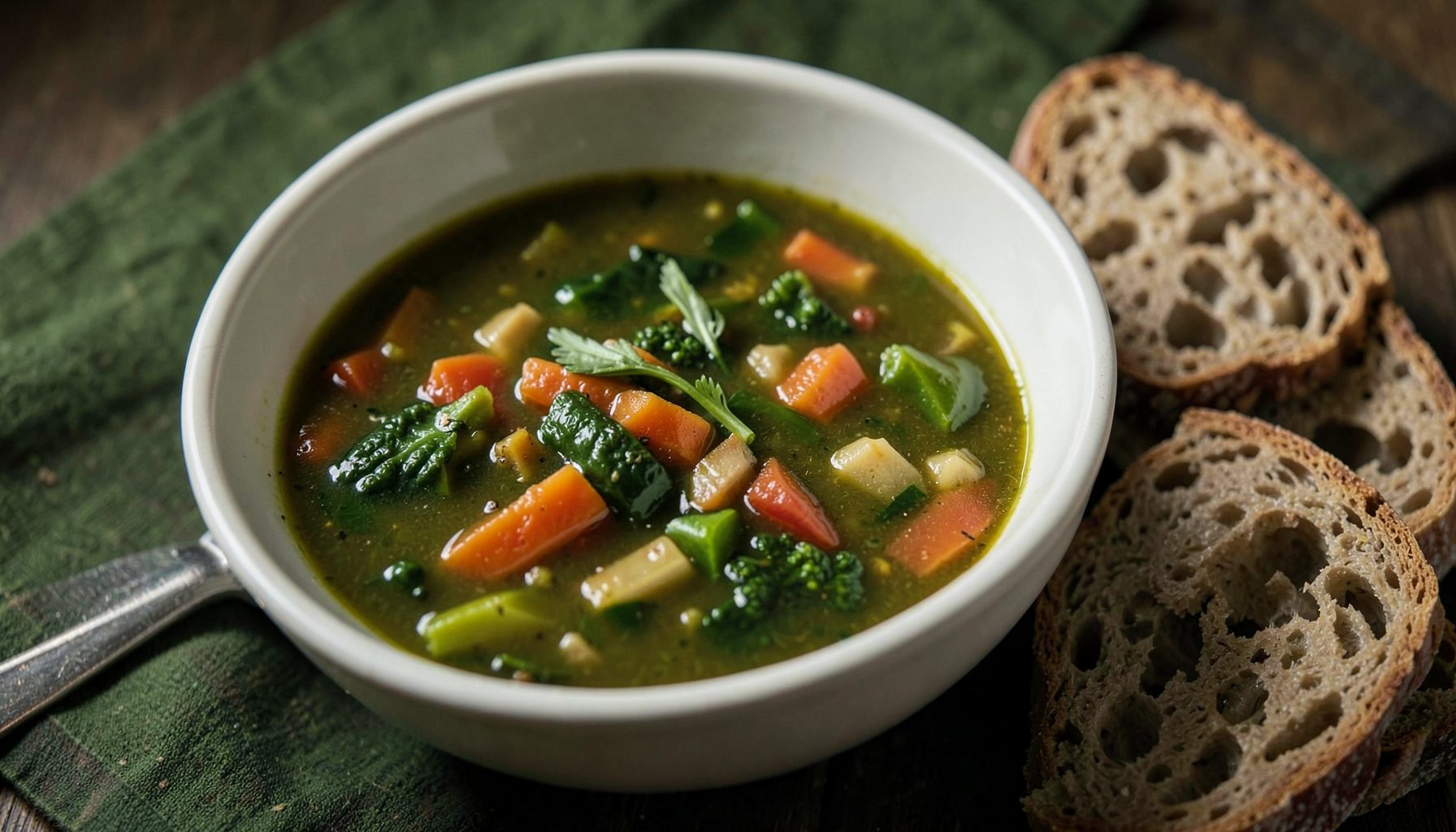
When friends come over for a cool-weather gathering, a warm bowl of soup with bread is an ideal reason to put the jar on the table. This cozy dinner party guide is a helpful companion for building that relaxed menu, and a small drizzle of mango habanero sauce adds sweetness and depth without overwhelming the soup. Keep a little extra on the table for the bread, but serve the sauce separately if the group prefers to add it themselves. Made with ripe fruit and a measured hit of chilli, it gives every plate colour, perfume and clean, lingering heat.