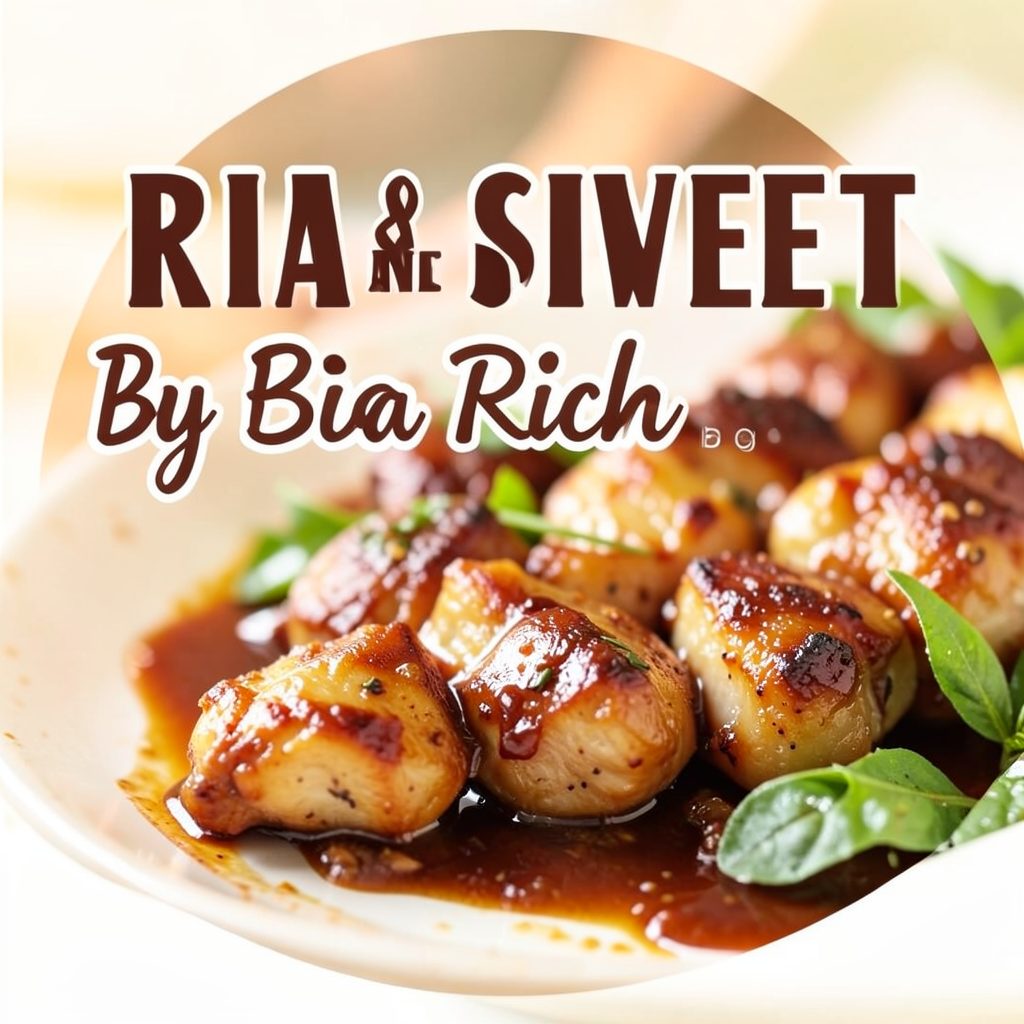
Grilled lamb chops with mint and yogurt sauce
Grilled lamb chops with mint and yogurt sauce bring together the flavours that make a warm-weather meal feel generous without becoming complicated. The lamb develops a smoky, savoury crust over high heat, while cool Greek-style yoghurt, fresh mint, lemon and garlic provide a clean contrast. It is the sort of dish that can move easily from a weeknight dinner to a relaxed gathering around the barbecue.
Lamb cutlets are widely available from Australian butchers and supermarket meat counters, although the quality and size can vary. Look for chops with a good amount of meat around the bone and fine, creamy fat rather than a thick, waxy layer. Frenched cutlets are elegant for entertaining, while ordinary loin chops are excellent for a family meal and often better value at a local market.
The recipe suits a gas barbecue, charcoal kettle or heavy grill pan. A hot cooking surface is important because lamb chops are small and can go from beautifully browned to overcooked in a short time. Have the sauce and side dishes ready before the meat hits the grill, especially if you are cooking outdoors on a warm Sydney or Brisbane evening.
Mint is easy to grow in a pot, even for gardeners with limited space, and its bright flavour is particularly good with lamb. If you have an abundant patch, use the leaves in the sauce and save the stems for a simple infused drink. The result is a balanced plate with rich meat, tangy dairy, fresh herbs and enough acidity to keep every bite lively.
Choosing and preparing the chops
For four people, allow about eight small lamb cutlets or six larger loin chops, depending on appetite and what else is being served. Each chop should be roughly 2 to 3 centimetres thick. Thinner pieces cook quickly but offer less of the rosy centre that makes grilled lamb appealing. Ask the butcher to cut them evenly so they finish at the same time.
Take the lamb from the refrigerator 20 to 30 minutes before cooking. Pat the surface dry with paper towel, then trim away any loose pieces of fat or connective tissue. Keep a narrow fat edge where possible, as it bastes the meat and adds flavour. Excess fat can flare over a barbecue, so trimming is useful even when you enjoy a well-browned crust.
Season the chops with salt just before adding the marinade. Fine sea salt distributes quickly, while flaky salt is best saved for finishing. Cracked black pepper, ground coriander and a pinch of chilli flakes work well with the mint and lemon, but the seasoning should support the lamb rather than conceal it.
A fragrant marinade with restraint
Combine two tablespoons of extra-virgin olive oil, the finely grated zest of one lemon, one tablespoon of lemon juice, two crushed garlic cloves, a teaspoon of dried oregano and a generous grind of pepper. Add the lamb and turn each chop until lightly coated. Thirty minutes is enough; two hours in the refrigerator will give the flavour more time to settle.
Avoid leaving the chops in a strongly acidic mixture overnight. Lemon juice begins changing the texture of the meat, particularly on the exposed edges, and can make the surface soft rather than succulent. If you want to prepare ahead, mix the oil, zest, garlic and herbs in advance, then add the lemon juice shortly before coating the lamb.
Fresh rosemary is another natural partner, especially if you have it growing in the garden. A small amount is sufficient because its resinous flavour can dominate. For a gentle Australian pantry variation, replace some of the oregano with finely chopped lemon myrtle, using only a pinch because its citrus character is powerful.
Cooling the mint and yoghurt sauce
For the sauce, stir together 250 grams of thick Greek-style yoghurt, a large handful of finely chopped mint, one small grated garlic clove, the zest of half a lemon and one to two teaspoons of lemon juice. Season with salt and add a drizzle of olive oil. Let it sit for at least 15 minutes so the mint can perfume the yoghurt.
The finished sauce should be spoonable rather than runny. If your yoghurt contains a lot of liquid, drain it briefly in a sieve lined with muslin or a clean tea towel. A little cucumber, grated and squeezed dry, can turn the mixture into a quick tzatziki-style accompaniment, although keeping the sauce simple lets the grilled lamb remain the focus.
For a fuller table, serve the chops with warm flatbreads or a salad of tomato, cucumber and parsley. A spoonful of a deeply savoury versatile tomato sauce can also sit alongside the yoghurt, particularly when the meal includes roasted vegetables or crusty bread.
Getting the barbecue ready
Preheat the barbecue until the grill is properly hot. On a gas barbecue, this usually means heating it on high for 10 to 15 minutes with the lid closed. For charcoal, wait until the coals are covered with a pale ash and arrange them so you have a hot zone and a cooler zone. Brush the grates clean, then lightly oil them rather than pouring oil directly over the fire.
Remove excess marinade from the chops before grilling. Too much oil or wet garlic can burn and create bitter black patches. Place the cutlets on the hot section and cook for about 3 to 4 minutes on the first side, then 2 to 3 minutes on the second, depending on thickness. Rotate them once if you want attractive grill marks, but avoid repeatedly moving the meat.
If the exterior is browning too fast, shift the chops to the cooler side and close the lid briefly. Use tongs rather than a fork so the juices stay inside. A meat thermometer inserted sideways into the thickest part gives the clearest reading: around 55 to 60°C is medium-rare, while 63°C followed by resting produces medium meat.
Resting and serving the lamb
Transfer the cooked chops to a warm plate and rest them for five minutes, loosely covered with foil. Resting allows the heat to settle through the meat and gives the juices time to redistribute. Do not wrap the lamb tightly, as trapped steam softens the crust you worked to create.
Spoon the mint yoghurt onto a serving platter or into individual bowls rather than covering every chop. This preserves the browned surface and allows people to choose how much sauce they want. Scatter over extra mint, a little lemon zest and a pinch of sumac if you have it. A final thread of olive oil adds richness without making the plate heavy.
The meal works beautifully with grilled zucchini, charred spring onions, crisp potatoes or a simple green salad. In Melbourne, where evenings can cool quickly even after a bright day, serve the lamb with warm bread and a substantial grain salad. In warmer Perth or Adelaide weather, keep the accompaniments fresh and let the barbecue do most of the cooking.
Side dishes and Australian pairings
A chopped salad of ripe tomatoes, cucumber, red onion and herbs brings welcome acidity. Buy tomatoes from a farmers’ market when they are plentiful and fragrant; they need little more than salt, olive oil and red-wine vinegar. For a heartier plate, add chickpeas, roasted capsicum or a handful of toasted almonds.
Warm bread is especially useful for catching the yoghurt and lamb juices. A crisp-bottomed loaf such as this olive rosemary focaccia gives the meal a rustic centrepiece and can be prepared ahead. Tear it into generous pieces rather than slicing it too neatly, allowing everyone to share from the board.
For wine, choose a medium-bodied Shiraz, Grenache or a peppery Australian GSM blend. The fruit and spice can stand up to the grilled crust without fighting the mint. A dry rosé is refreshing in summer, while a chilled lager or sparkling water with lemon keeps the meal relaxed. Avoid very oaky wines, which can make the yoghurt taste sharper.
Small details that improve the result
Do not crowd the grill. Lamb chops need room for hot air and direct heat to circulate; if they are packed together, they steam and lose their crust. Cook in batches if necessary, keeping the first batch in a low oven at about 90°C for a short time. It is better to serve slightly fewer perfectly browned chops than a crowded grill of pale, uneven meat.
Salt the yoghurt sauce gradually because Greek-style yoghurt varies in sharpness and saltiness. If the flavour seems flat, add lemon juice before adding more salt. If it tastes too sharp, soften it with a little extra yoghurt or olive oil. A tiny pinch of sugar can balance particularly tart yoghurt, though it should not make the sauce sweet.
Keep raw-lamb utensils and cooked-food utensils separate, and wash the plate that held the uncooked meat before using it for serving. Any leftover lamb should be cooled promptly, refrigerated and eaten within a couple of days. Slice it cold for a salad, or warm it gently in a pan so the meat does not dry out.
A final, unexpected garnish can come from the landscape as well as the kitchen. Reading about lichen on mangrove roots is a reminder that coastal Australian environments hold intricate textures and colours of their own, much like the contrast between charred lamb, pale yoghurt and vivid mint on the plate. Keep the garnish edible and restrained, then let the cooking speak for itself.